 Business License
Customized Mold Production Process Optimization: Tailored to Downstream Customer Needs
As downstream industries evolve, customer demand for customized molds has grown significantly, with diverse usage scenarios and process requirements varying widely. Recently, Qingliang Mould has optimized its customized mold production process, enhancing alignment with customer needs through full-process communication and rigorous adaptation.
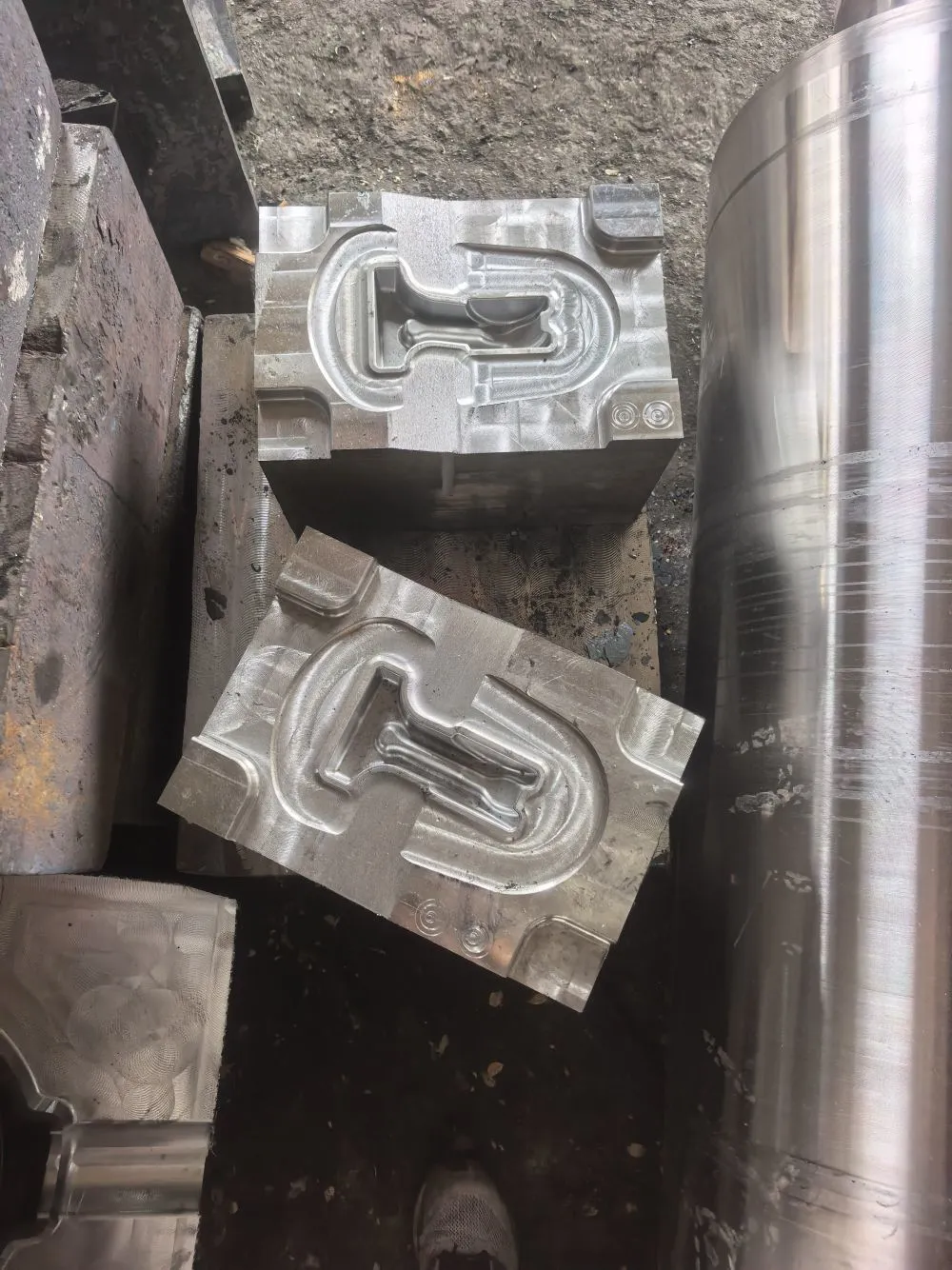
Previously, the process for customized mold orders was relatively straightforward: after customers provided drawings, the technical department reviewed them and initiated production with minimal ongoing communication. On one occasion, a mold intended for high-temperature use was produced using standard processes, leading to deformation shortly after delivery, requiring rework that delayed the customer’s schedule and increased costs.
The optimization focuses on "communication" and "adaptation":
Order Onboarding Phase: Technical teams conduct one-on-one in-depth discussions with customers, clarifying not only dimensional and precision requirements but also usage environment, load conditions, production volumes, and other details. They also provide process optimization recommendations to help extend mold service life.
Production Phase: Regular progress updates (including photos) are shared with customers. Any process adjustments or issues requiring confirmation are promptly communicated to avoid deviations.
Pre-Delivery Validation: Completed molds undergo trial testing, with test data and results shared with customers for confirmation prior to shipment.
Post-Delivery Follow-Up: Customer usage is tracked, and feedback is collected to refine future production processes.
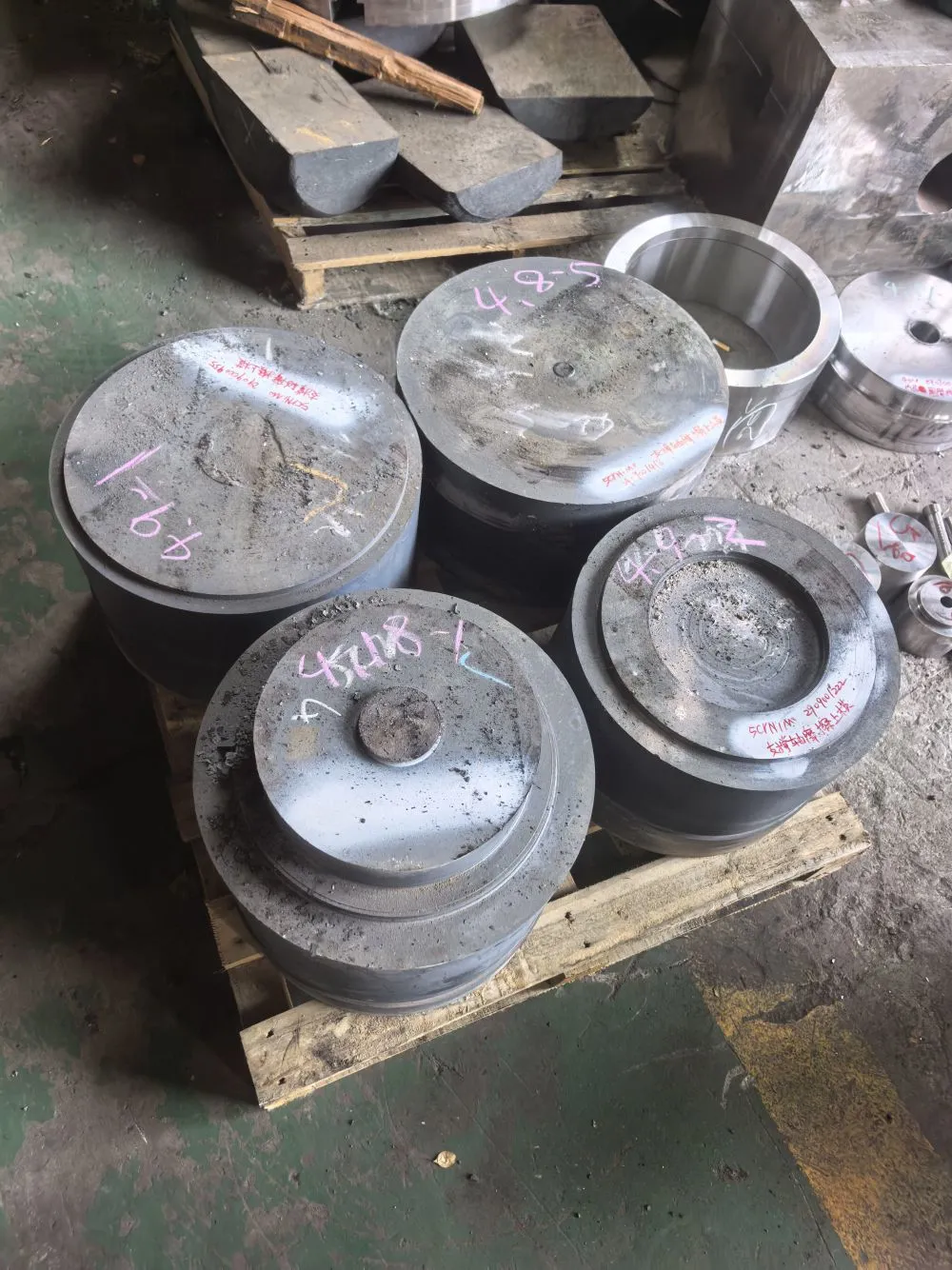
As a result, customized mold orders have increased steadily, with high customer satisfaction and repeat business from referrals. This reliable adaptation capability has become a key competitive advantage.
Recently Posted
-
Qingliang Mould Upgrades Forging Lines for Steady Product Quality Improvement
July 6, 2026Shandong Qingliang Mould has completed process optimization for its forging production lines. Centered on two core targets — servi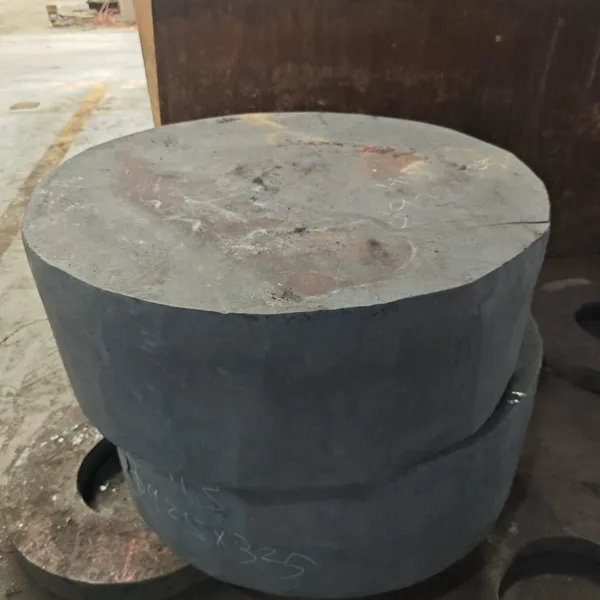 Read More
 -
Heat Treatment Process Upgraded for Hot Forging Dies to Effectively Improve Service Life
July 4, 2026In the manufacturing system of hot forging dies, heat treatment is the core process that determines die performance and service li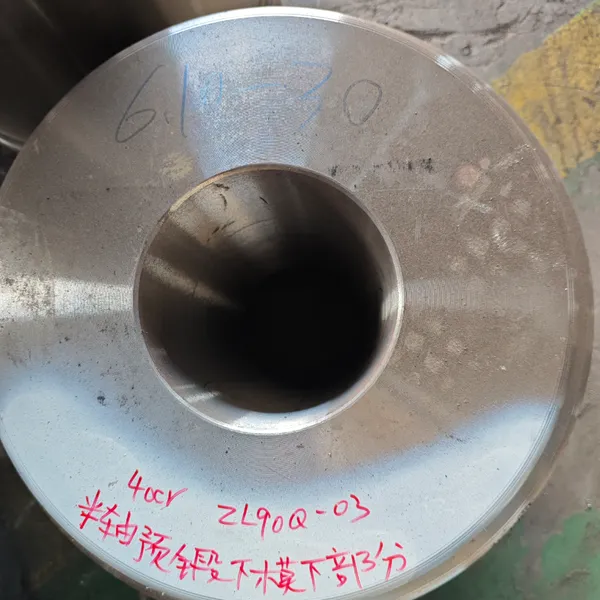 Read More
 -
Open-Die Forging Team Skill Competition Held to Temper Solid Forging Practical Ability
July 3, 2026The open-die forging process is highly dependent on the practical skills of operators. With the same raw materials, heating equipm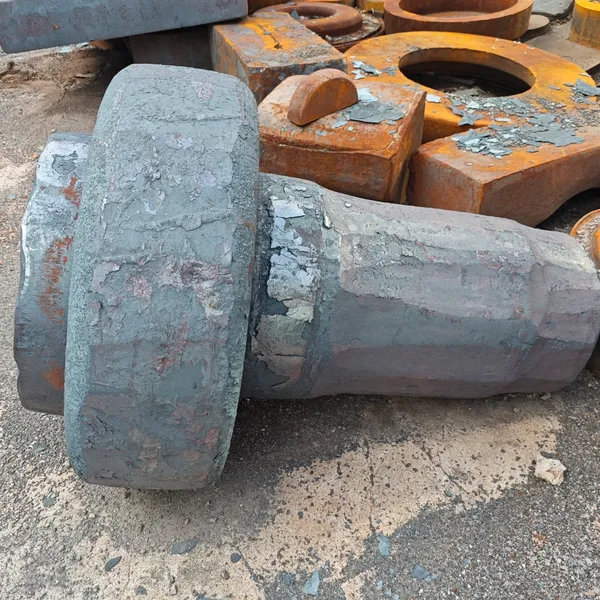 Read More
 -
Hot Forging Die Repair Service Officially Launched to Help Customers Reduce Costs and Increase Effic
July 2, 2026In our cooperation with many die forging factories, we have found that there is a common pain point in the industry: after long-term use, hot forging dies are prone to problems such as die cavity wear and corner chipping, but the main structure of the die remains intact. Direct scrapping causes avoidable waste, and the procurement cost of large hot forging dies is relatively high, so overall replacement will significantly incRead More

Contact Us
Recommended Products
-
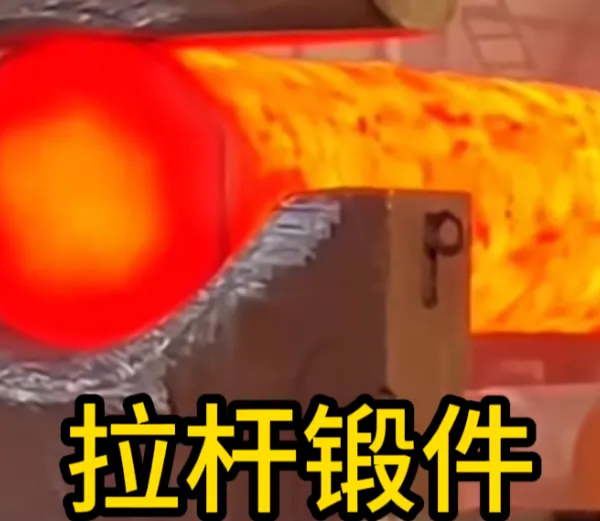
 Tie Rod Forgings | Forged Components | Factory CustomizationNegotiableMOQ: 1 Piece
 -
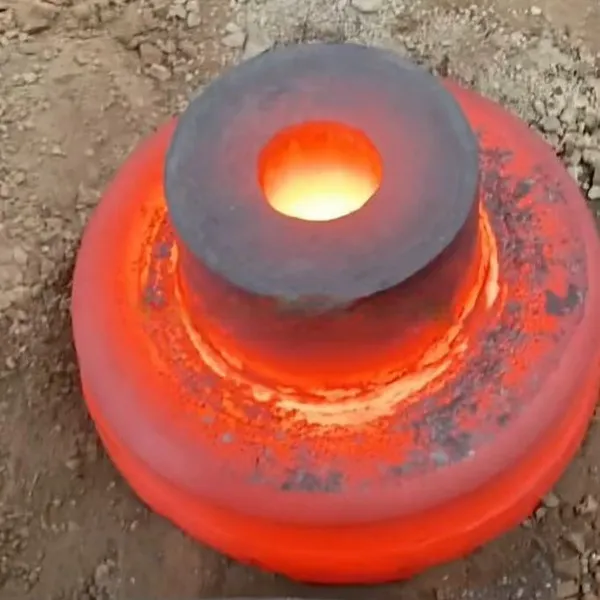
Coupling Forgings | Forged Components | Factory CustomizationNegotiableMOQ: 1 Piece
-
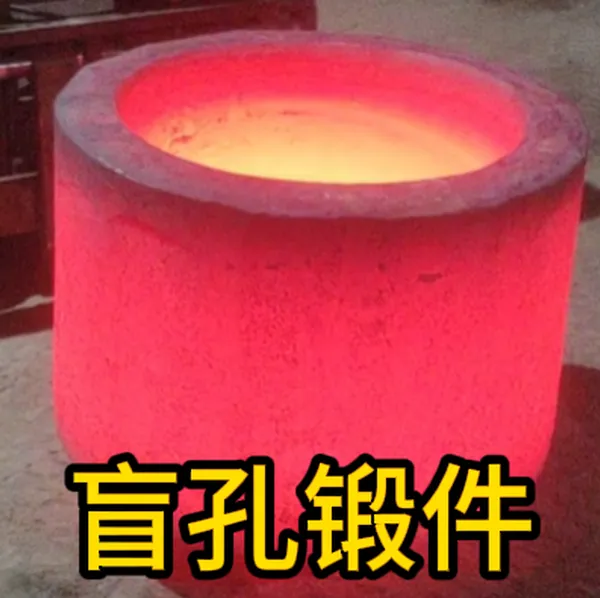
Blind Hole Forgings | Forged Components | Factory CustomizationNegotiableMOQ: 1 Piece
-
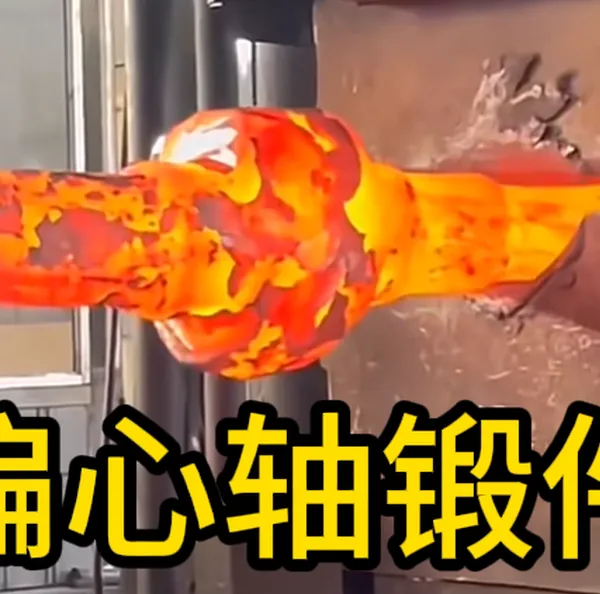
Eccentric Shaft Forgings | Forged Components | Factory CustomizationNegotiableMOQ: 1 Piece
-
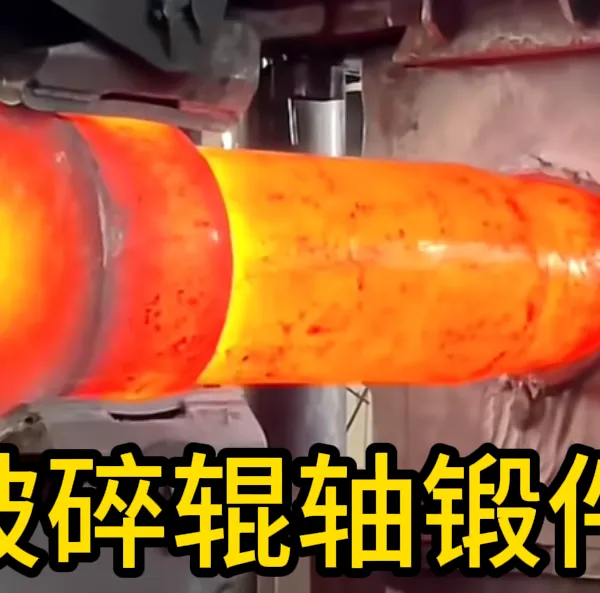
Crusher Roller Shaft Forgings | Forged Components | Factory CustomizationNegotiableMOQ: 1 Piece
-
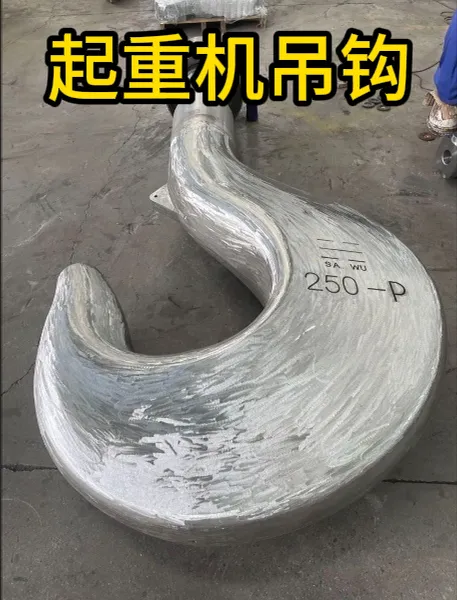
Crane Hook Forgings | Forged Components | Factory CustomizationNegotiableMOQ: 1 Piece
-
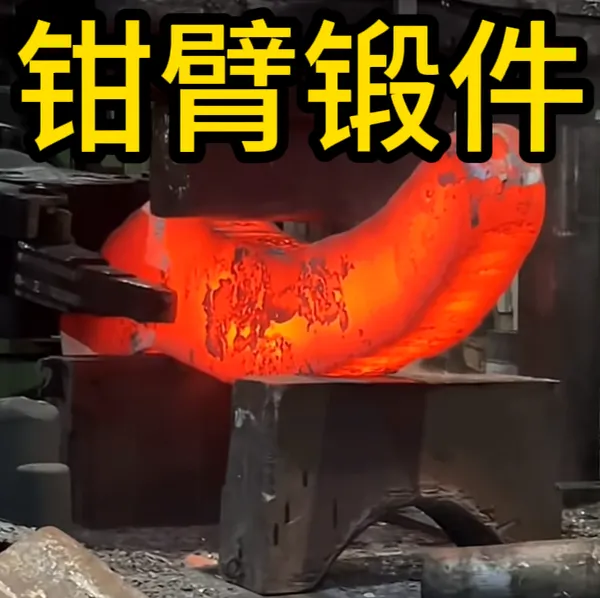
Tong Arm Forgings | Forged Components | Factory CustomizationNegotiableMOQ: 1 Piece
-
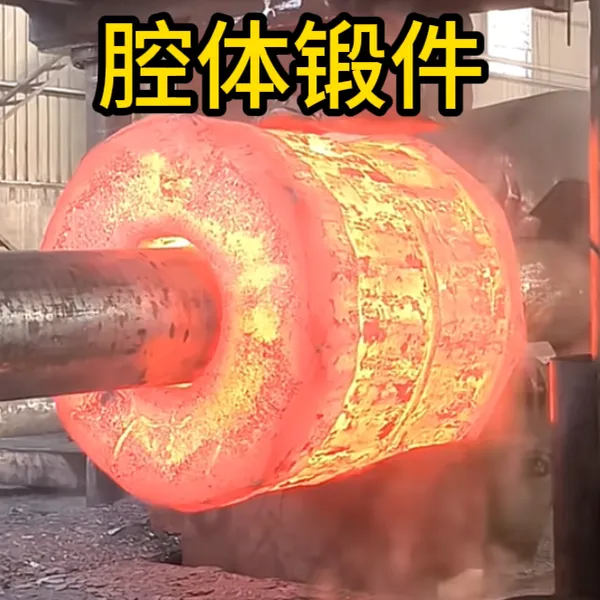
Cavity Open-Die Forgings | Forged Components | Factory CustomizationNegotiableMOQ: 1 Piece
-
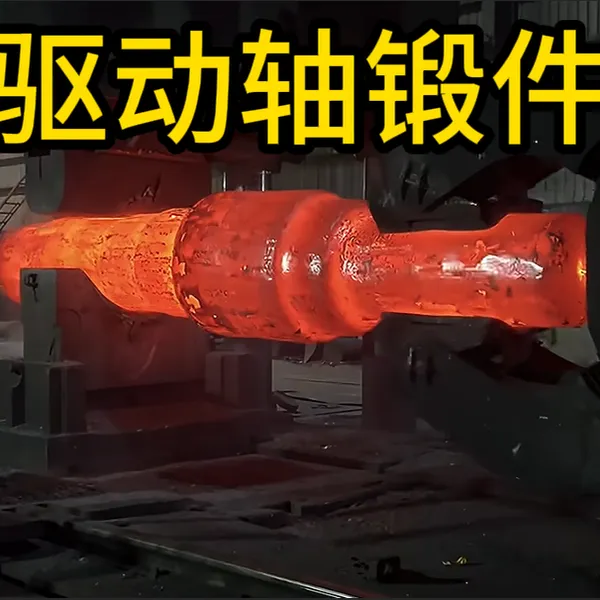
Drive Shaft Forgings | Forged Components | Factory CustomizationNegotiableMOQ: 1 Piece
-
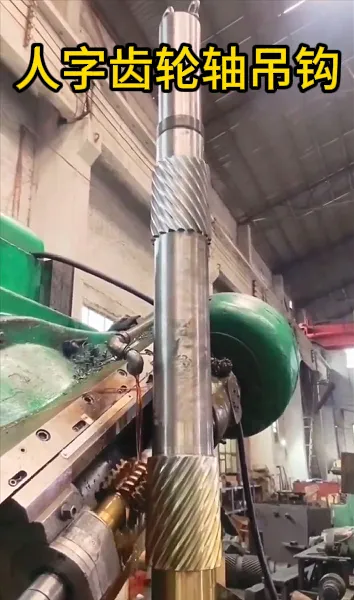
Herringbone Gear Shaft Forgings | Forged Components | Factory CustomizationNegotiableMOQ: 1 Piece
-
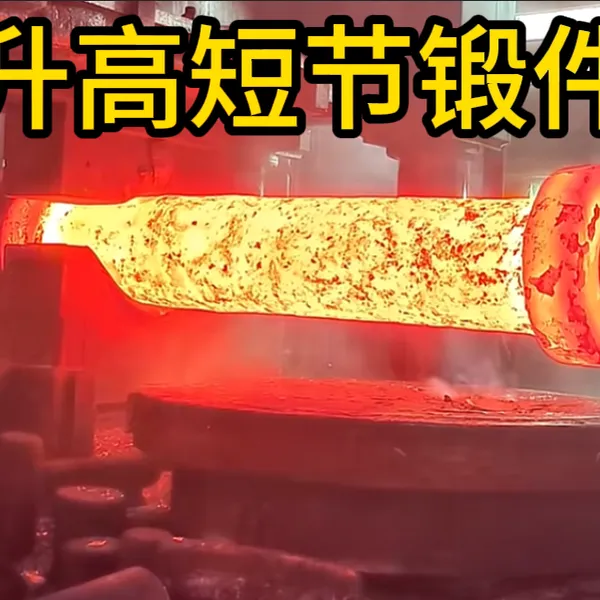
Elevated Short-Stroke Forging Parts | Forged Components | Factory CustomizationNegotiableMOQ: 1 Piece
-
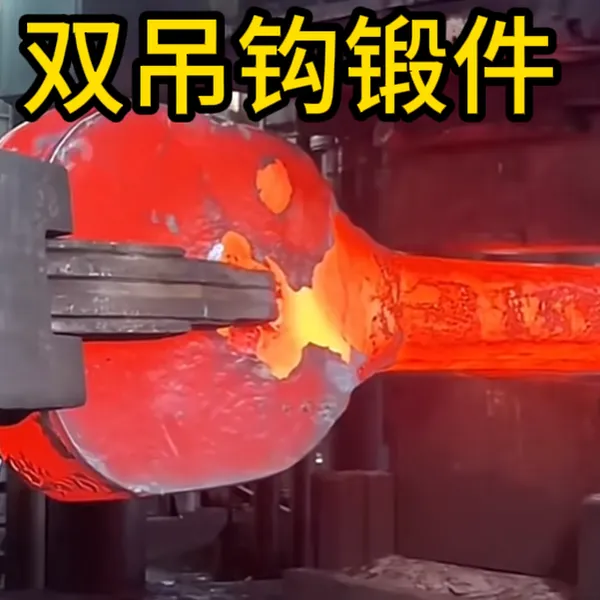
Double Crane Hook Open-Die Forgings | Forged Components | Factory CustomizationNegotiableMOQ: 1 Piece
-
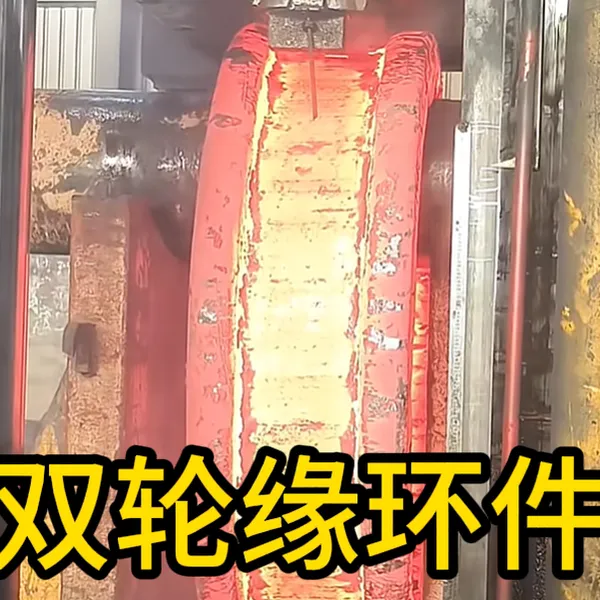
Double-Rim Ring Forgings | Forged Components | Factory CustomizationNegotiableMOQ: 1 Piece
-
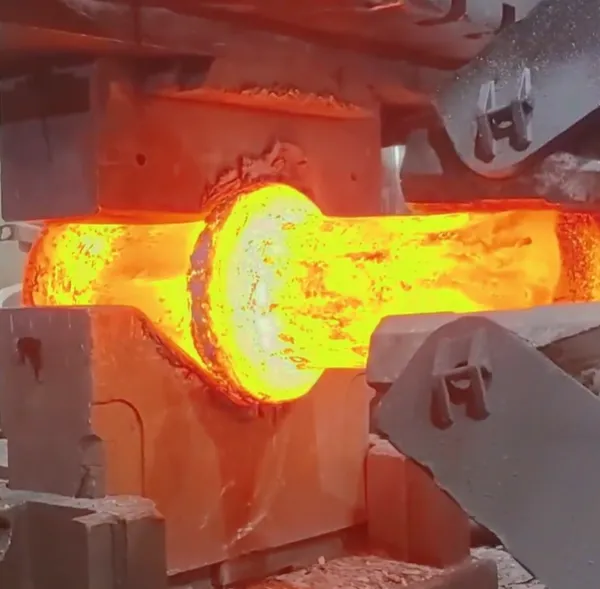
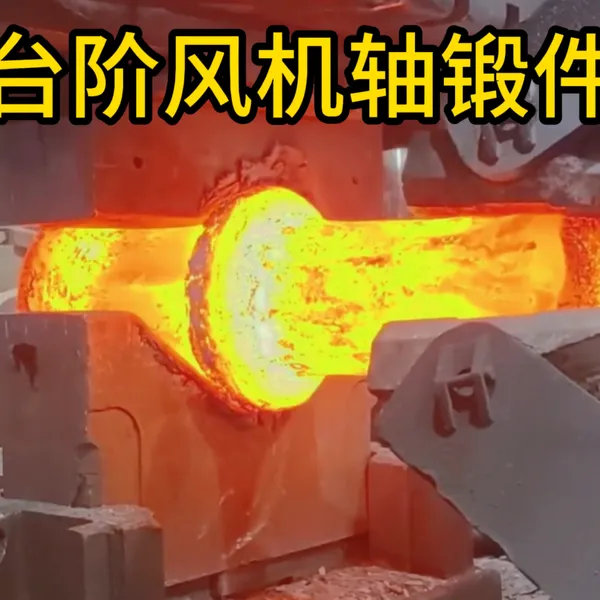
Step-Type Fan Shaft Forgings | Forged Components | Factory CustomizationNegotiableMOQ: 1 Piece
-
Step-Type Fan Shaft Forgings | Forged Components | Factory CustomizationNegotiableMOQ: 1 Piece
-
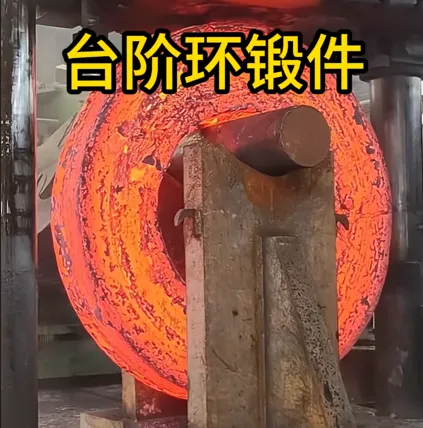
Step Ring Forgings | Forged Step Ring Components | Factory CustomizationNegotiableMOQ: 1 Piece
-
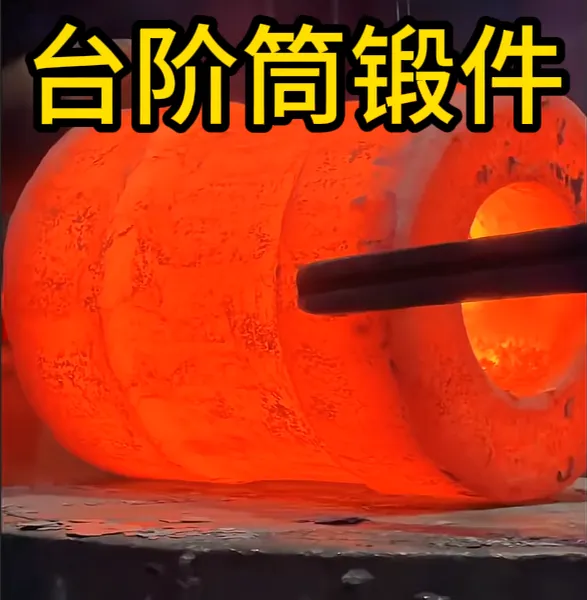
Step Sleeve Forgings | Forged Step Sleeve Components | Factory CustomizationNegotiableMOQ: 1 Piece
-
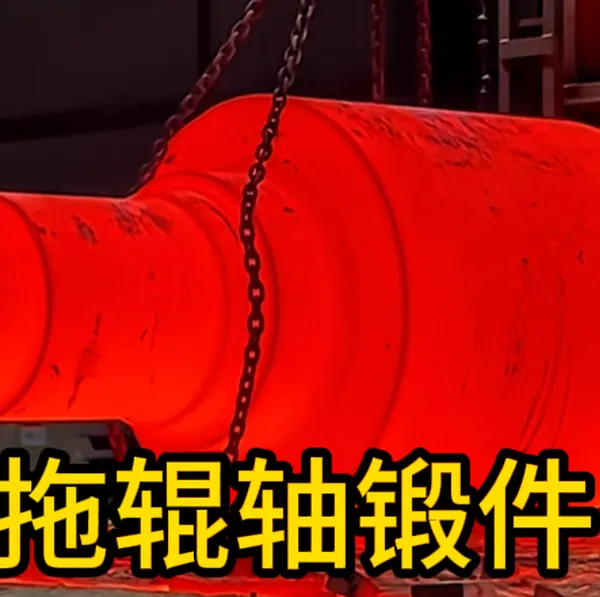
Idler Shaft Forgings | Forged Idler Shaft Components | Factory CustomizationNegotiableMOQ: 1 Piece
-
Mining Forgings | Forged Mining Components | Factory CustomizationNegotiableMOQ: 1 Piece
-
Automobile Wheel Forgings | Forged Wheel Parts | Factory CustomizationNegotiableMOQ: 1 Piece