 Business License
Routine Safety Management in Forging Workshops: Strengthening Production Safety Defenses
Forging production involves high-risk operations including high-temperature work, heavy machinery use, and special tasks, making safety the top priority for all operations. Recently, Qingliang Mould has further strengthened routine safety management in its forging workshop, identifying and addressing hazards at the operational level to build a more robust safety defense.
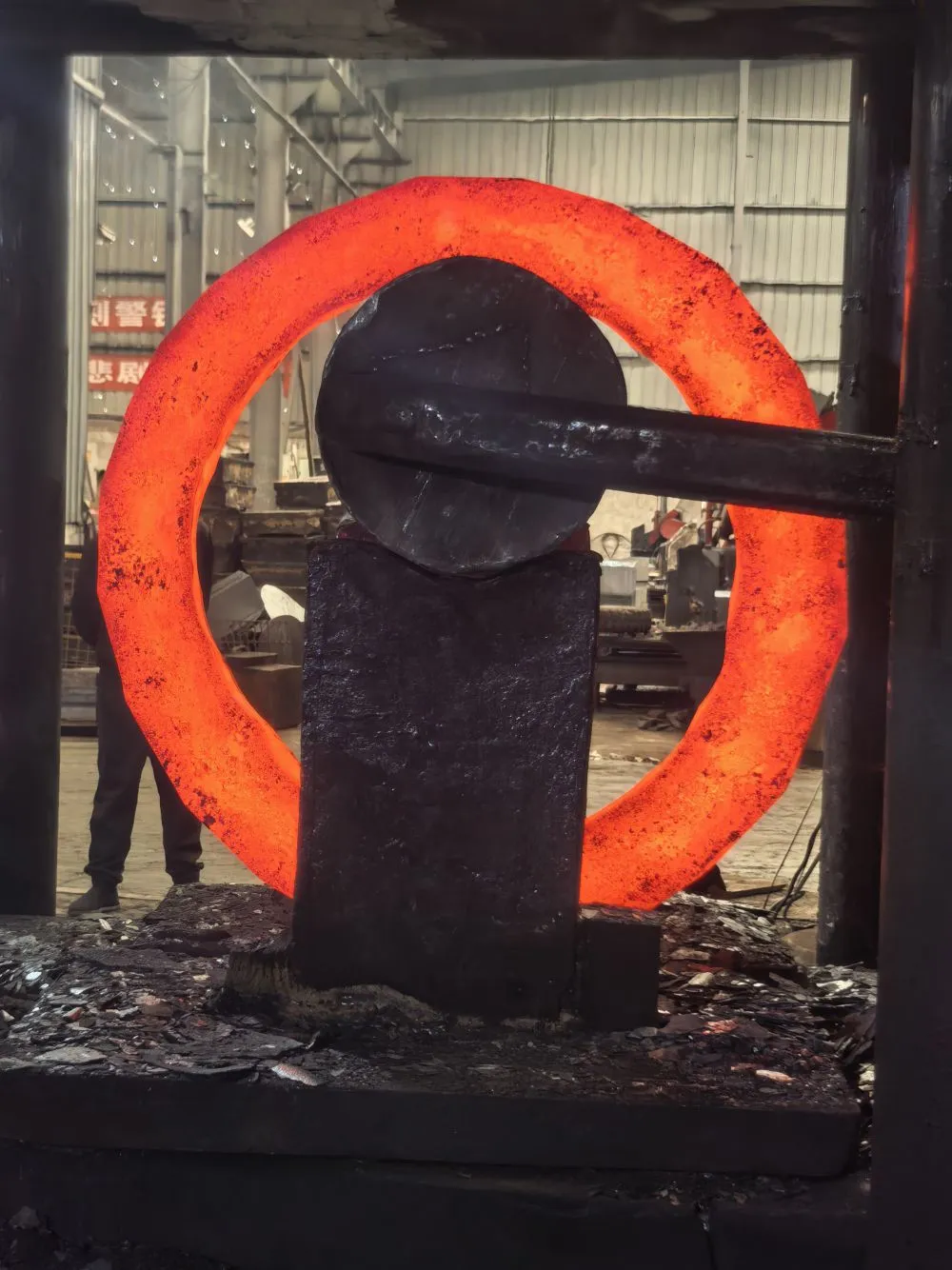
The forging industry presents numerous on-site risks: thousand-degree steel billets, high-speed forging presses, and live electrical circuits, where even minor oversights can lead to safety incidents. Previously, a small incident occurred when an employee, cutting corners by not wearing protective gloves, was burned while handling recently cooled forgings. This enhanced management initiative avoids formalistic practices, focusing instead on daily operational details:
Clarified Position-Specific Safety Responsibilities: Assigning safety duties to individual roles—for example, forgers are responsible for inspecting protective equipment integrity, while electricians conduct regular wiring hazard assessments;
Standardized Special Operations Management: Enforcing a "certified personnel only" policy for special roles (forgers, welders, electricians), paired with regular safety training covering operating procedures and emergency response protocols;
Established Daily Control Mechanisms: Pre-shift safety briefings are held daily, weekly systematic hazard inspections cover equipment guards, fire safety facilities, and personal protective equipment (PPE) compliance with immediate corrective actions for issues identified, and monthly emergency drills simulate equipment failures, fires, and other scenarios to enhance employee response capabilities.
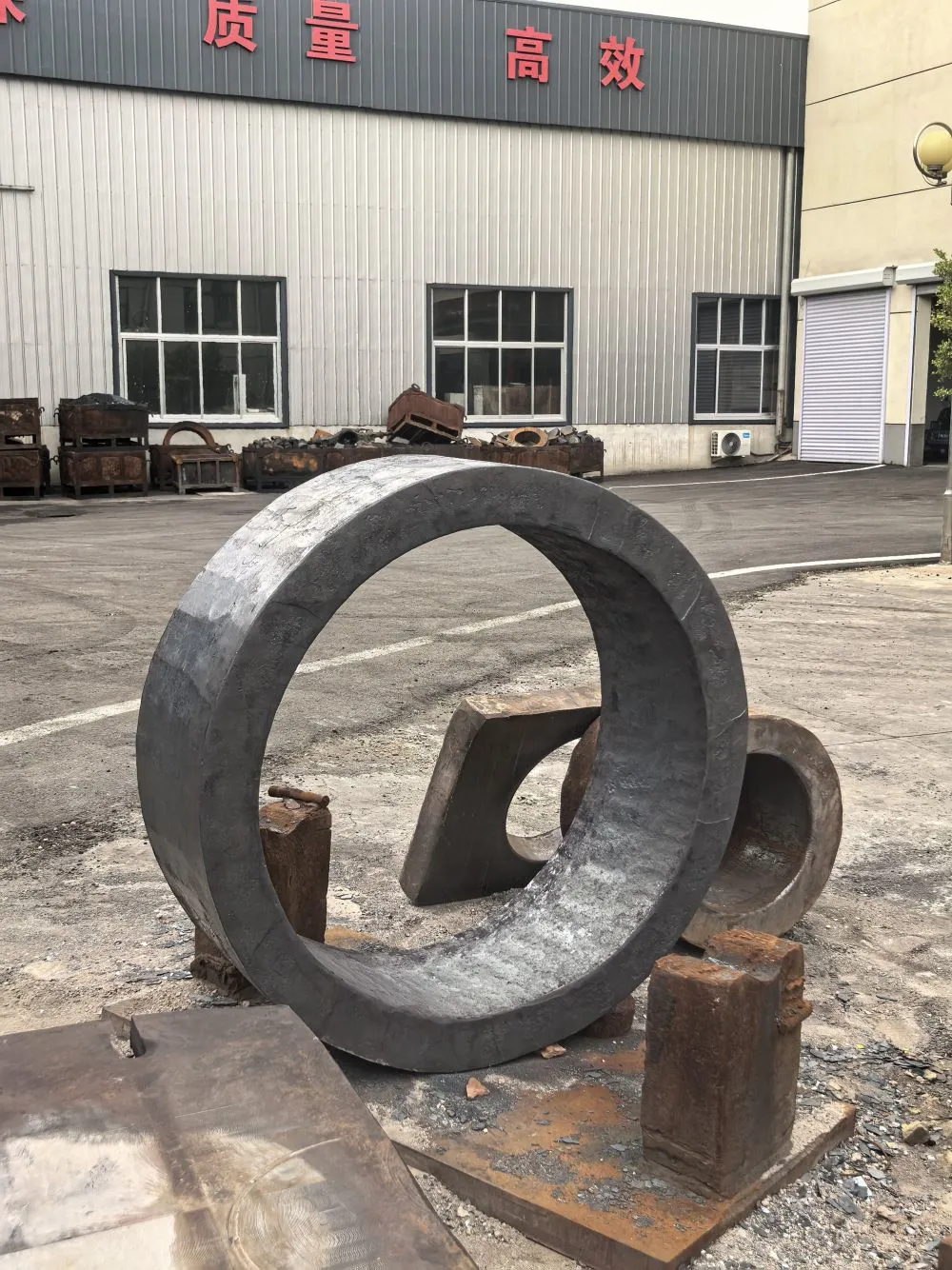
As a result, employee safety awareness has improved significantly, with consistent compliance with operating procedures and proper PPE use, fostering a culture of proactive safety in the workshop.
Recently Posted
-
Qingliang Mould Upgrades Forging Lines for Steady Product Quality Improvement
July 6, 2026Shandong Qingliang Mould has completed process optimization for its forging production lines. Centered on two core targets — servi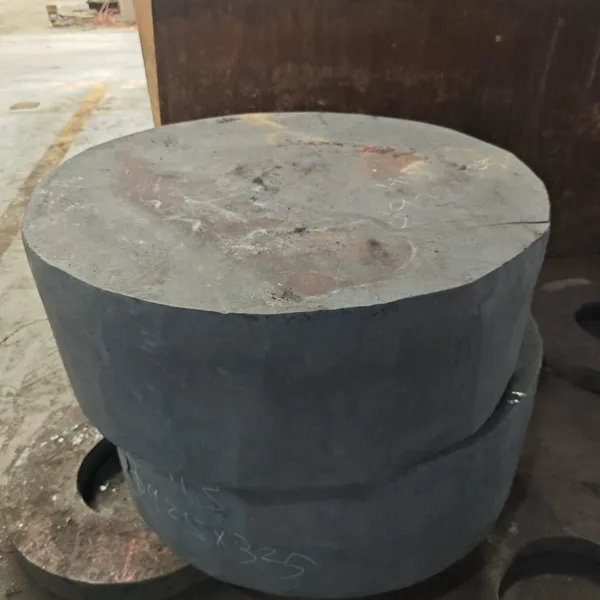 Read More
 -
Heat Treatment Process Upgraded for Hot Forging Dies to Effectively Improve Service Life
July 4, 2026In the manufacturing system of hot forging dies, heat treatment is the core process that determines die performance and service li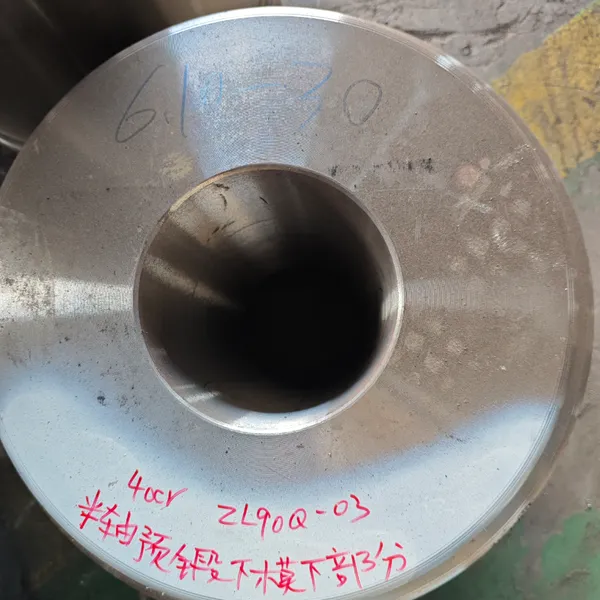 Read More
 -
Open-Die Forging Team Skill Competition Held to Temper Solid Forging Practical Ability
July 3, 2026The open-die forging process is highly dependent on the practical skills of operators. With the same raw materials, heating equipm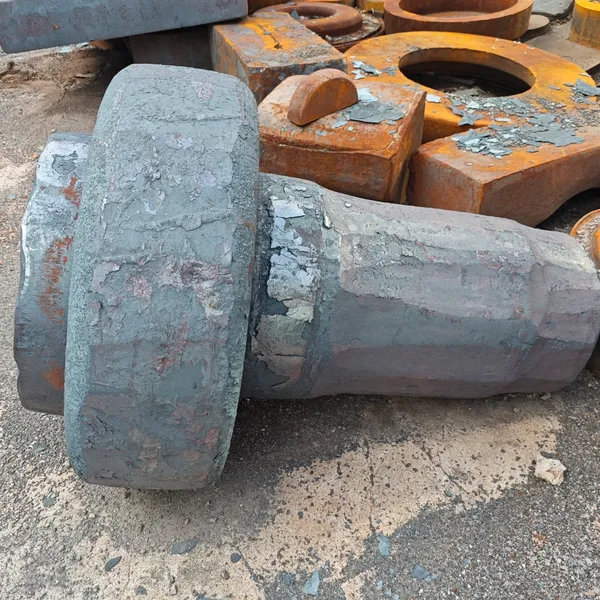 Read More
 -
Hot Forging Die Repair Service Officially Launched to Help Customers Reduce Costs and Increase Effic
July 2, 2026In our cooperation with many die forging factories, we have found that there is a common pain point in the industry: after long-term use, hot forging dies are prone to problems such as die cavity wear and corner chipping, but the main structure of the die remains intact. Direct scrapping causes avoidable waste, and the procurement cost of large hot forging dies is relatively high, so overall replacement will significantly incRead More

Contact Us
Recommended Products
-
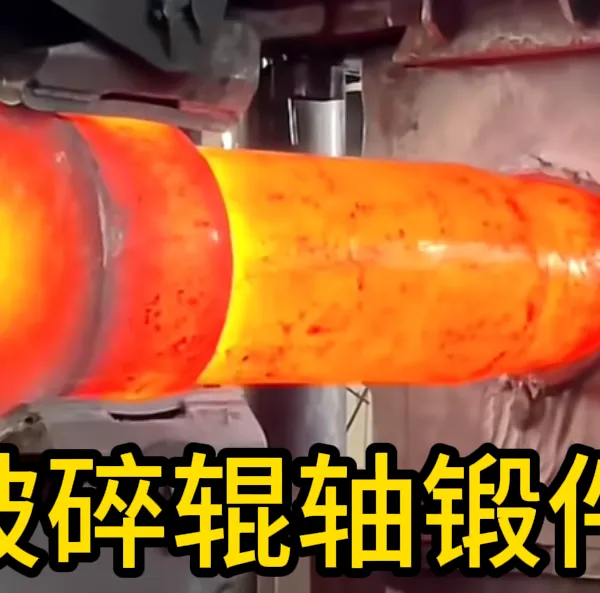
 Crusher Roller Shaft Forgings | Forged Components | Factory CustomizationNegotiableMOQ: 1 Piece
 -
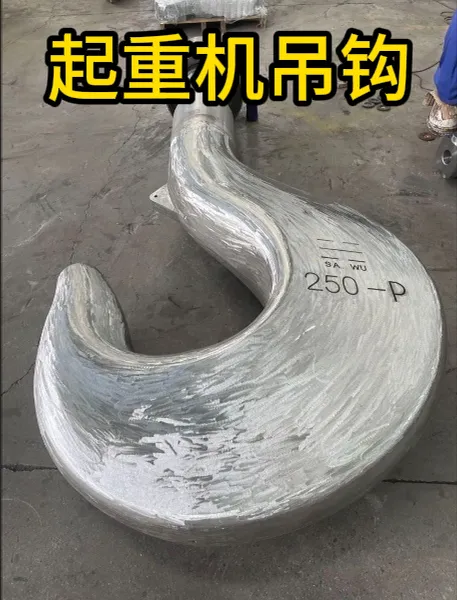
Crane Hook Forgings | Forged Components | Factory CustomizationNegotiableMOQ: 1 Piece
-
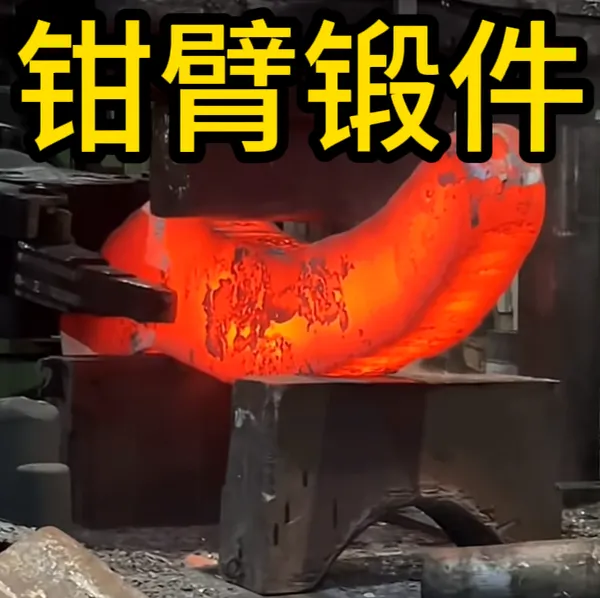
Tong Arm Forgings | Forged Components | Factory CustomizationNegotiableMOQ: 1 Piece
-
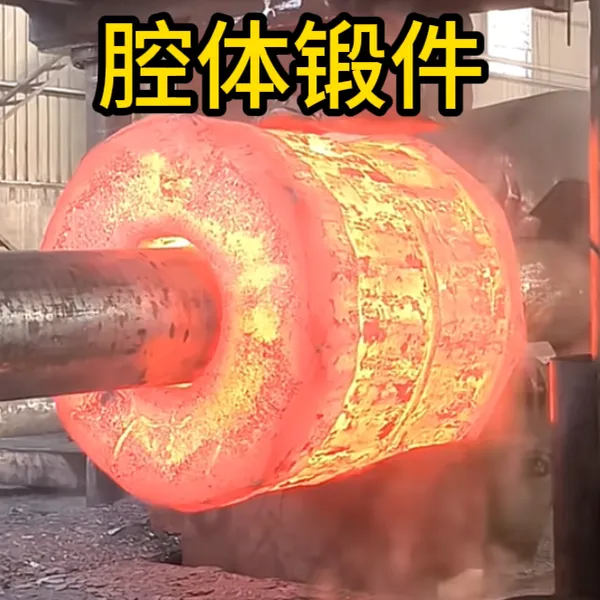
Cavity Open-Die Forgings | Forged Components | Factory CustomizationNegotiableMOQ: 1 Piece
-
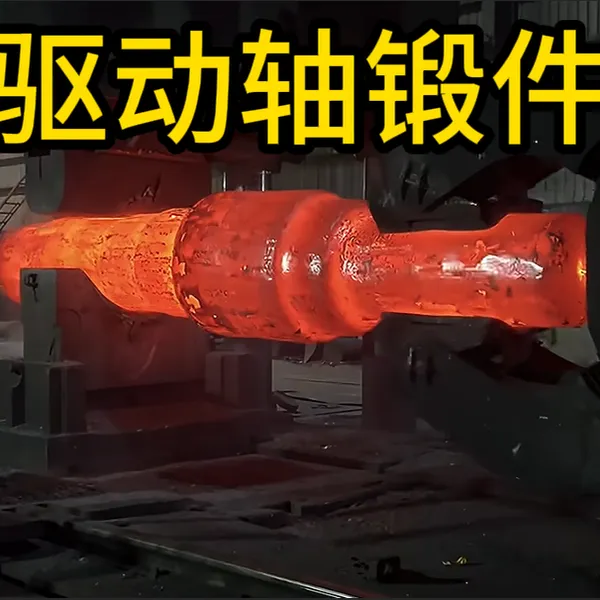
Drive Shaft Forgings | Forged Components | Factory CustomizationNegotiableMOQ: 1 Piece
-
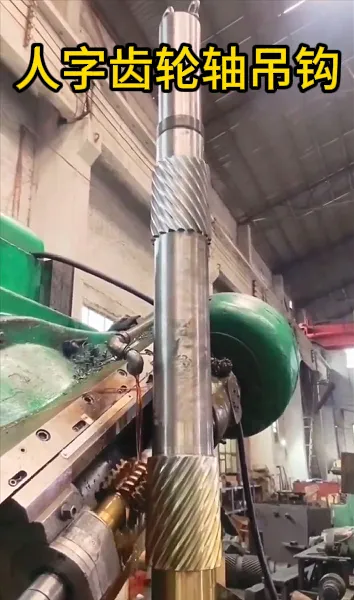
Herringbone Gear Shaft Forgings | Forged Components | Factory CustomizationNegotiableMOQ: 1 Piece
-
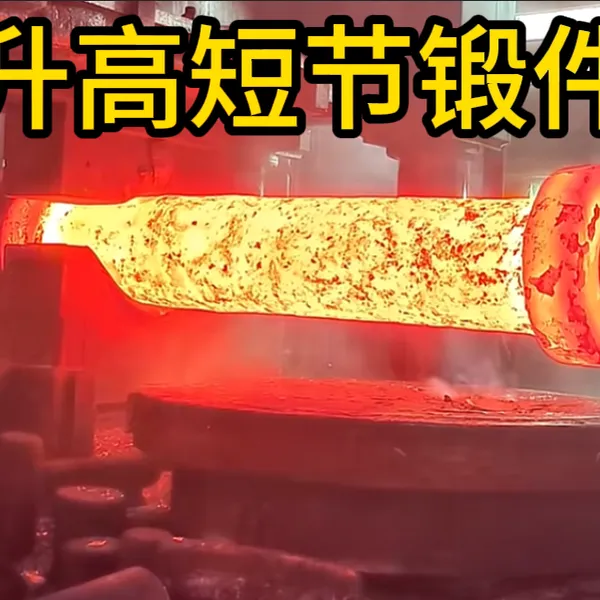
Elevated Short-Stroke Forging Parts | Forged Components | Factory CustomizationNegotiableMOQ: 1 Piece
-
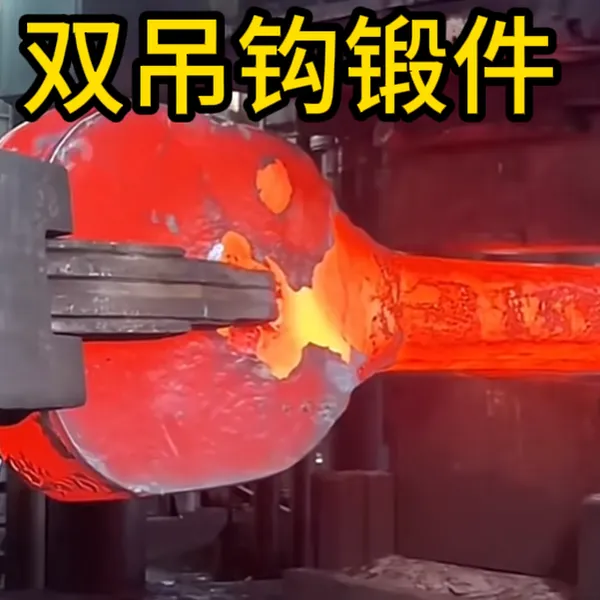
Double Crane Hook Open-Die Forgings | Forged Components | Factory CustomizationNegotiableMOQ: 1 Piece
-
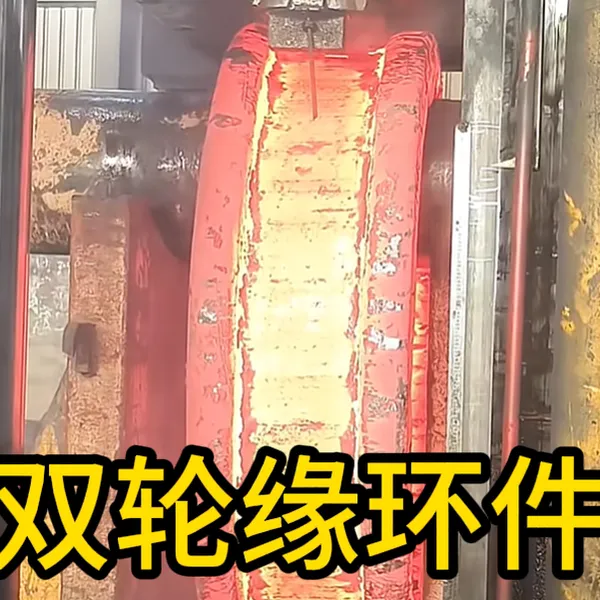
Double-Rim Ring Forgings | Forged Components | Factory CustomizationNegotiableMOQ: 1 Piece
-
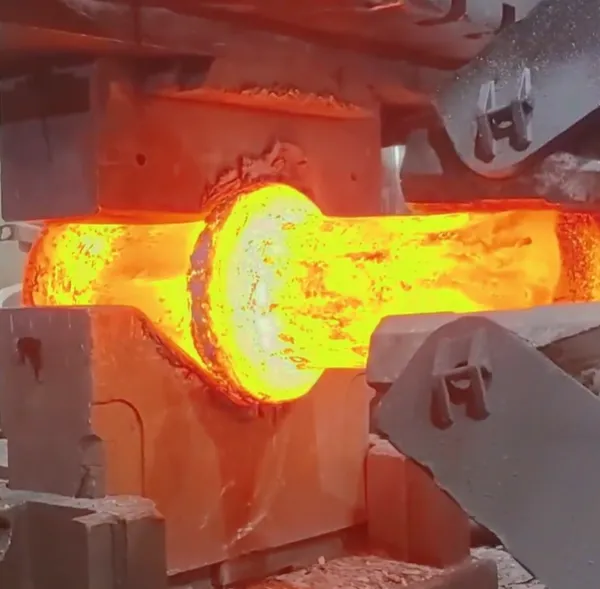
Step-Type Fan Shaft Forgings | Forged Components | Factory CustomizationNegotiableMOQ: 1 Piece
-
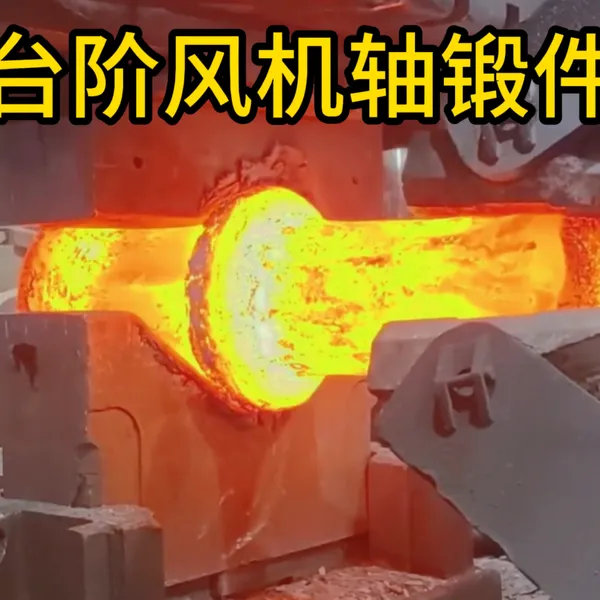
Step-Type Fan Shaft Forgings | Forged Components | Factory CustomizationNegotiableMOQ: 1 Piece
-
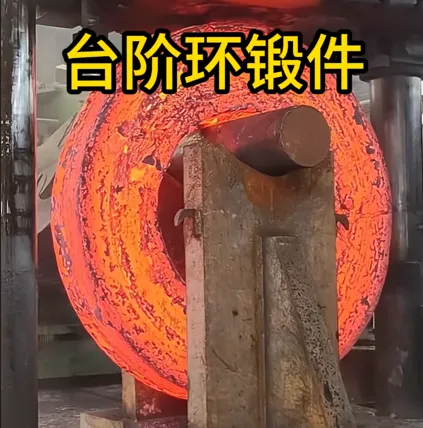
Step Ring Forgings | Forged Step Ring Components | Factory CustomizationNegotiableMOQ: 1 Piece
-
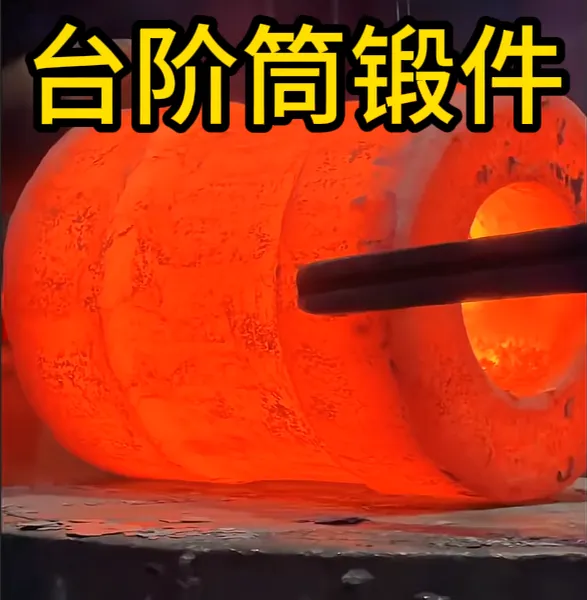
Step Sleeve Forgings | Forged Step Sleeve Components | Factory CustomizationNegotiableMOQ: 1 Piece
-
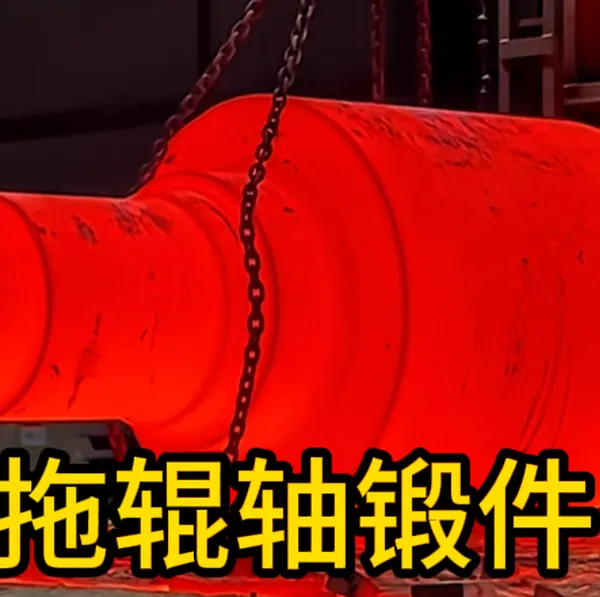
Idler Shaft Forgings | Forged Idler Shaft Components | Factory CustomizationNegotiableMOQ: 1 Piece
-
Mining Forgings | Forged Mining Components | Factory CustomizationNegotiableMOQ: 1 Piece
-
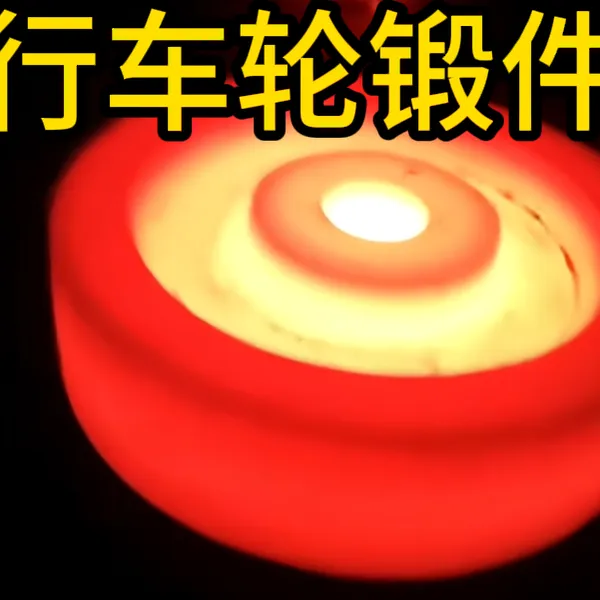
Automobile Wheel Forgings | Forged Wheel Parts | Factory CustomizationNegotiableMOQ: 1 Piece
-
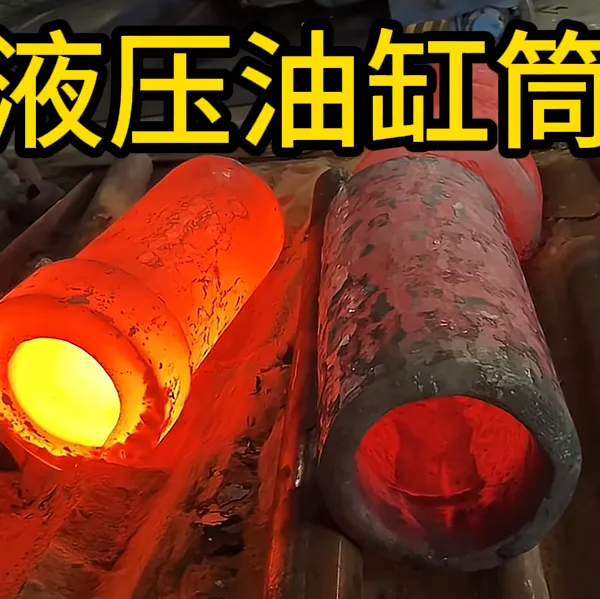
Hydraulic Cylinder Tube Forgings | Forged Cylinder Components | Factory CustomizationNegotiableMOQ: 1 Piece
-
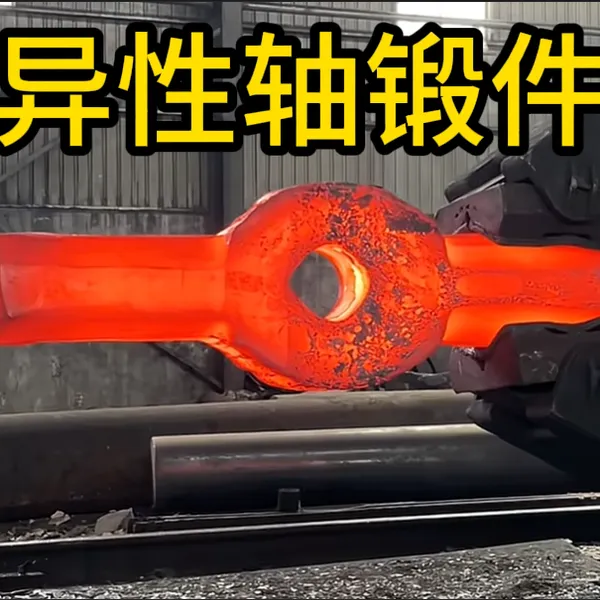
Custom Shaft Forgings | Forged Shaft Components | Factory CustomizationNegotiableMOQ: 1 Piece
-
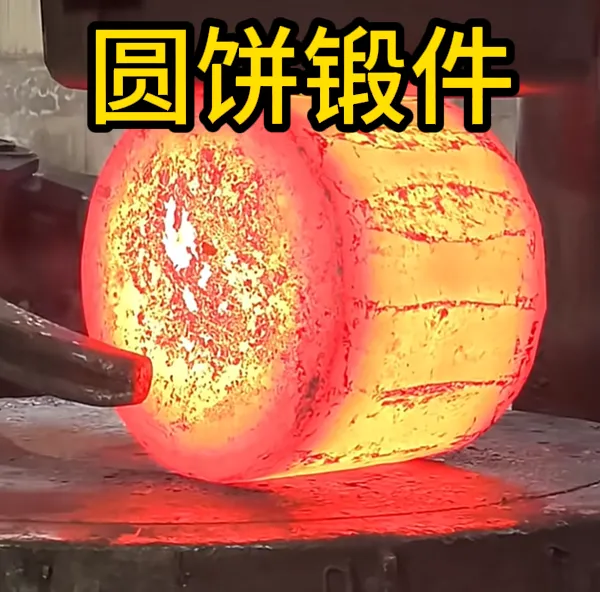
Disc Forgings | Forged Components | Factory CustomizationNegotiableMOQ: 1 Piece
-
Disc Forgings | Forged Components | Factory CustomizationNegotiableMOQ: 1 Piece