 Business License
Open-Die Forging Team Skill Competition Held to Temper Solid Forging Practical Ability
The open-die forging process is highly dependent on the practical skills of operators. With the same raw materials, heating equipment and forging hammers, workpieces forged by different operators will have obvious differences in dimensional accuracy and surface quality. To promote skill exchange and identify capability gaps among team members, the workshop recently organized an open-die forging skill competition. The competition selected two basic forging processes, shaft drawing out and blank upsetting, as the assessment content, focusing on practical results, with forging efficiency, dimensional accuracy and surface defect control as the core evaluation criteria.
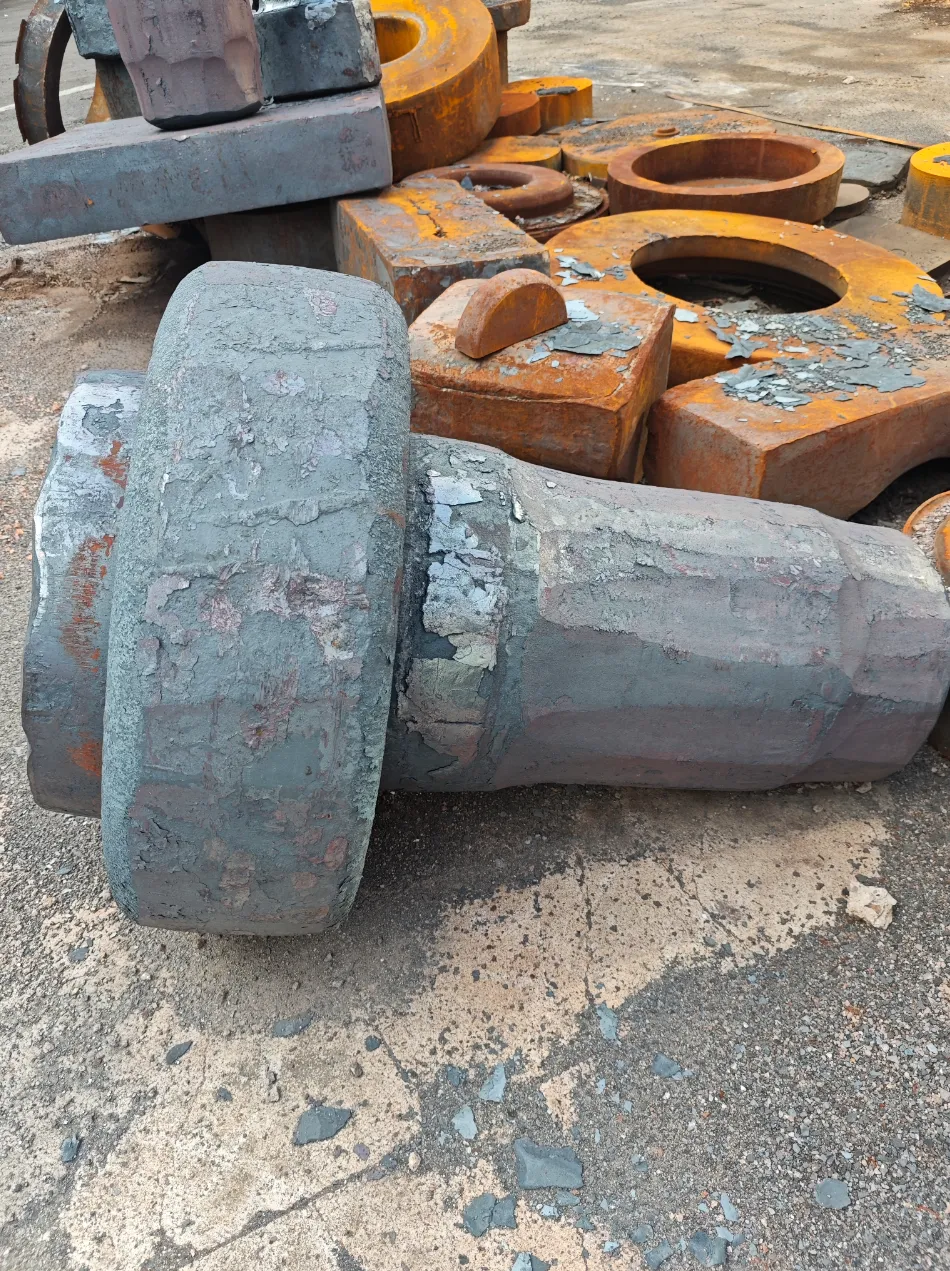
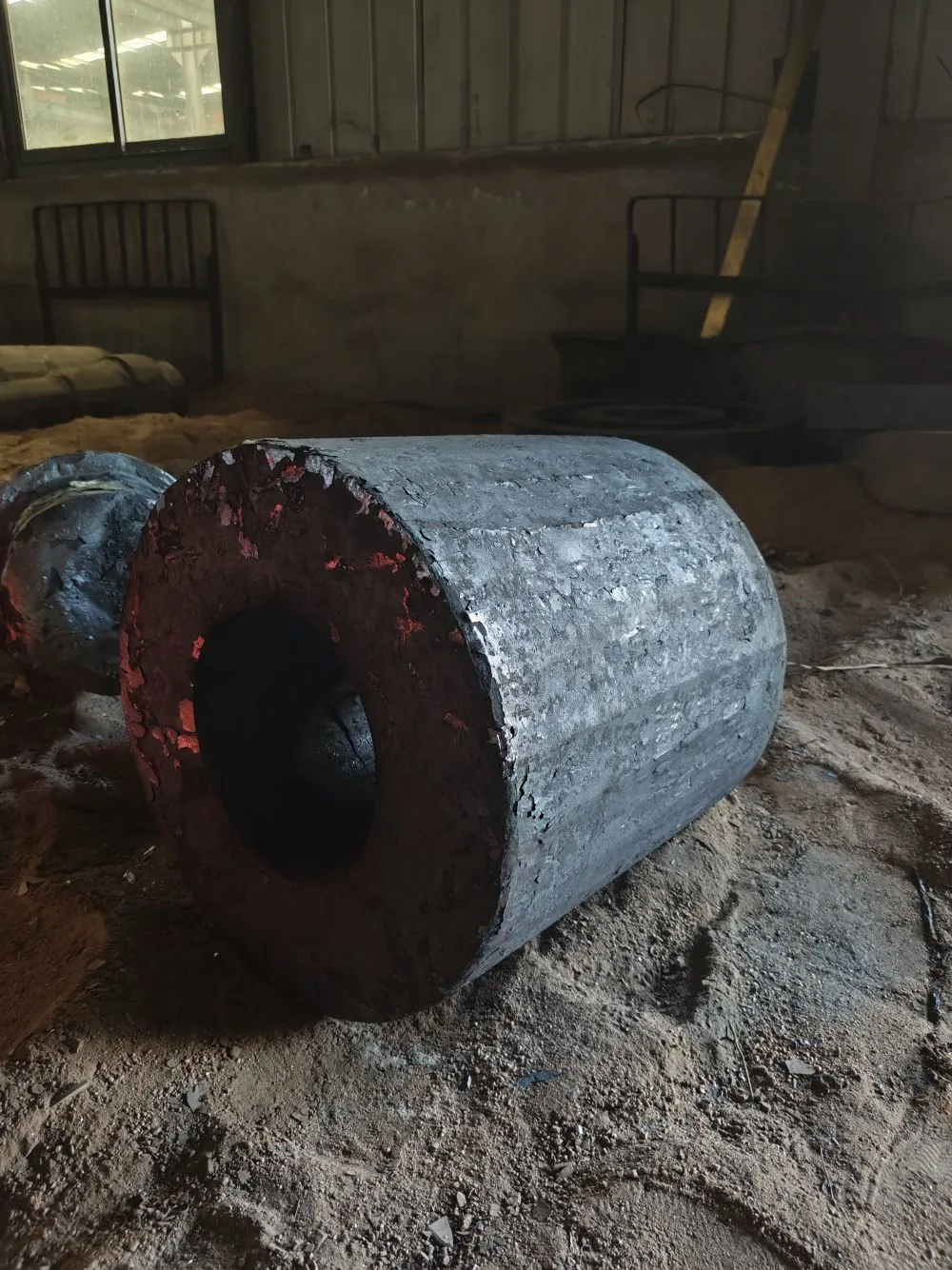
On the day of the competition, the workshop had a warm atmosphere. The contestants included senior forgers with 20 to 30 years of experience and young apprentices who had just graduated from training. The furnace fire was bright red, and the forging hammer operated with a steady and powerful sound. After the steel billet reached the specified temperature, the contestants quickly clamped the workpiece and transferred it to the anvil. They continuously flipped and adjusted the workpiece position between hammer blows, and the force and angle of each forging strike were accurately controlled. The onlooking employees followed the competition throughout the process and exchanged operation techniques from time to time, creating a strong competitive and communicative atmosphere on site. Judges used calipers and micrometers to inspect workpiece dimensions and check appearance quality piece by piece, with a rigorous and standardized evaluation process.
Finally, senior forger Master Wang won the first place in this competition. The dimensional tolerance control of his forged workpieces was better than the drawing requirements, with a flat and smooth surface and slight forging marks. Master Wang said at the award ceremony that there is no shortcut in open-die forging, and solid operating feel comes from day-to-day practice accumulation.
This competition provided an intuitive learning reference for young employees, helping them clearly recognize their skill gaps. Senior employees also exchanged practical skills through communication, sharing practical experience in aspects such as material flipping during drawing and temperature control. After the competition, the overall forging practical level of the team has been effectively improved.
Recently Posted
-
Qingliang Mould Upgrades Forging Lines for Steady Product Quality Improvement
July 6, 2026Shandong Qingliang Mould has completed process optimization for its forging production lines. Centered on two core targets — servi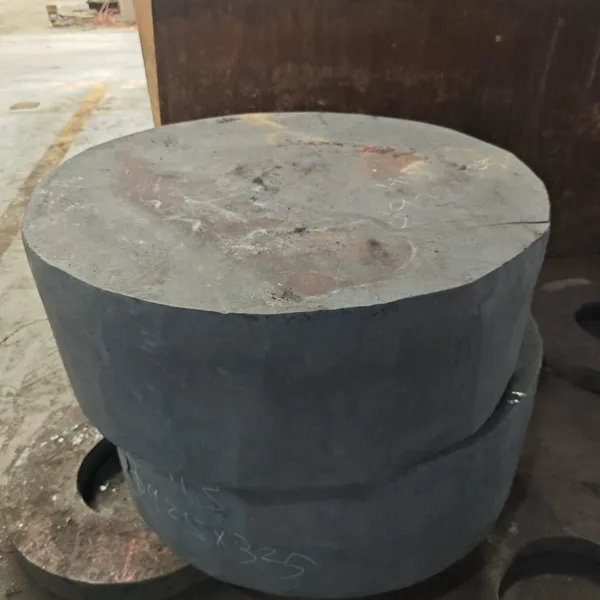 Read More
 -
Heat Treatment Process Upgraded for Hot Forging Dies to Effectively Improve Service Life
July 4, 2026In the manufacturing system of hot forging dies, heat treatment is the core process that determines die performance and service li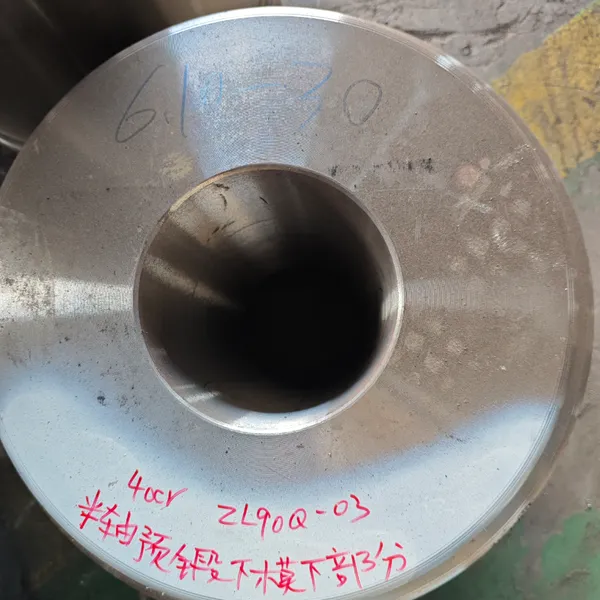 Read More
 -
Hot Forging Die Repair Service Officially Launched to Help Customers Reduce Costs and Increase Effic
July 2, 2026In our cooperation with many die forging factories, we have found that there is a common pain point in the industry: after long-term use, hot forging dies are prone to problems such as die cavity wear and corner chipping, but the main structure of the die remains intact. Direct scrapping causes avoidable waste, and the procurement cost of large hot forging dies is relatively high, so overall replacement will significantly incRead More -
Strictly Control the Quality of Die Steel Open-Die Blanking to Consolidate the Metallographic Struct
July 1, 2026The quality foundation of hot forging dies is laid from the open-die forging blanking process. The forging penetration degree and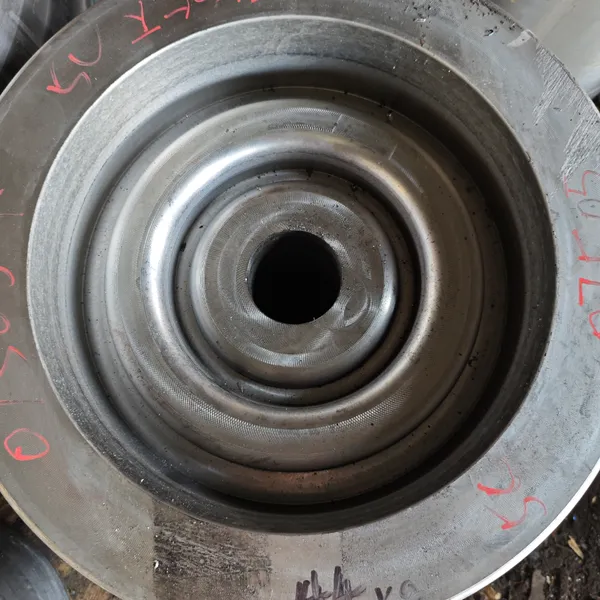 Read More

Contact Us
Recommended Products
-
 Blind Hole Forgings | Forged Components | Factory CustomizationNegotiableMOQ: 1 Piece
 -
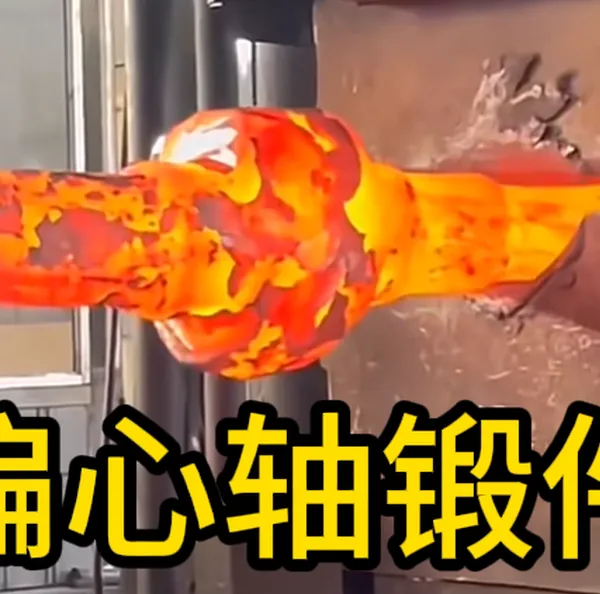
Eccentric Shaft Forgings | Forged Components | Factory CustomizationNegotiableMOQ: 1 Piece
-
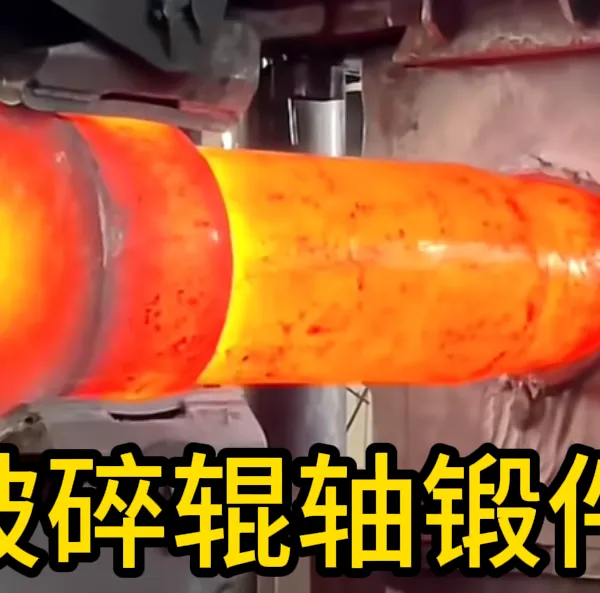
Crusher Roller Shaft Forgings | Forged Components | Factory CustomizationNegotiableMOQ: 1 Piece
-
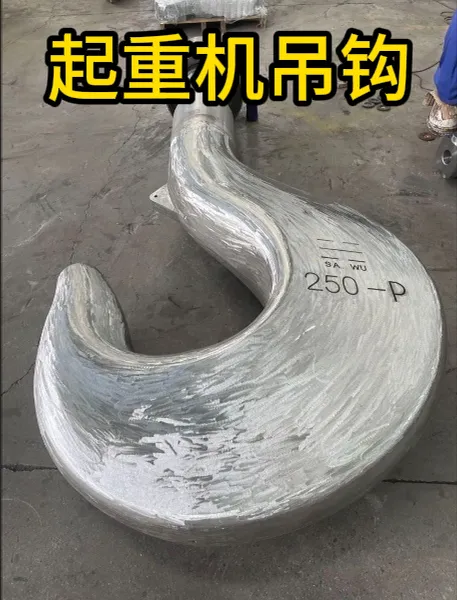
Crane Hook Forgings | Forged Components | Factory CustomizationNegotiableMOQ: 1 Piece
-
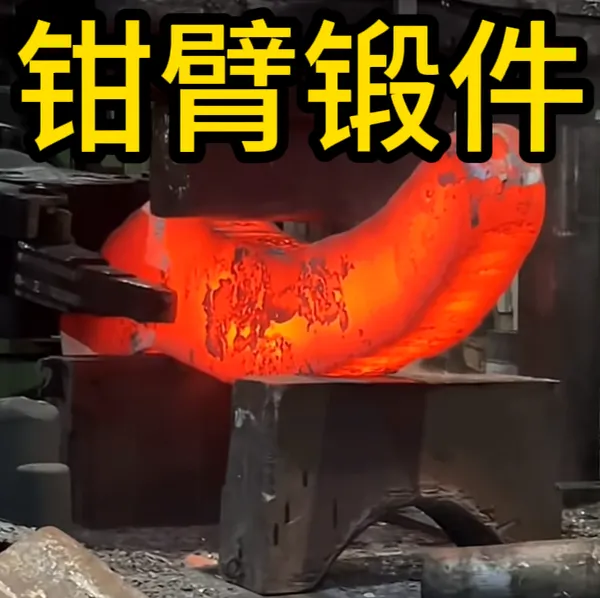
Tong Arm Forgings | Forged Components | Factory CustomizationNegotiableMOQ: 1 Piece
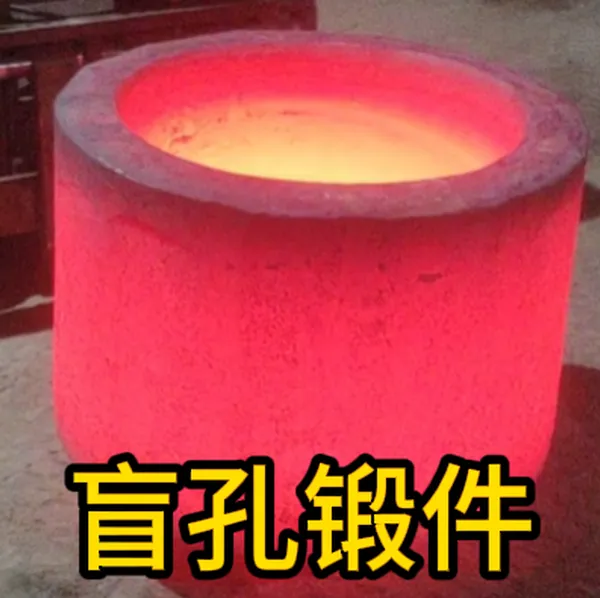
-
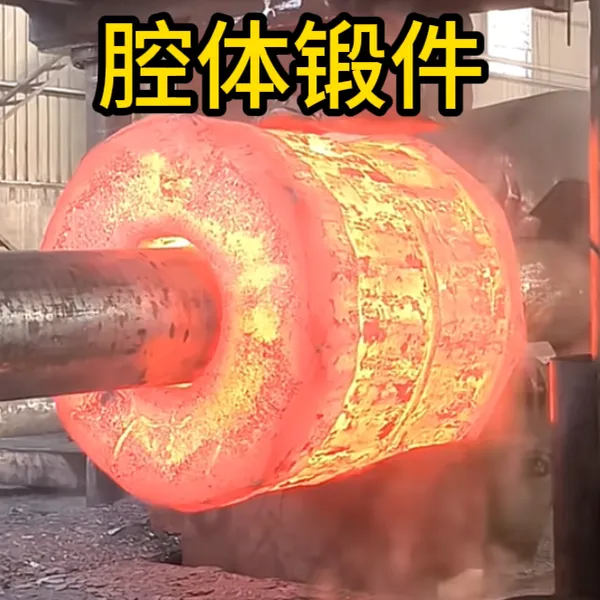
Cavity Open-Die Forgings | Forged Components | Factory CustomizationNegotiableMOQ: 1 Piece
-
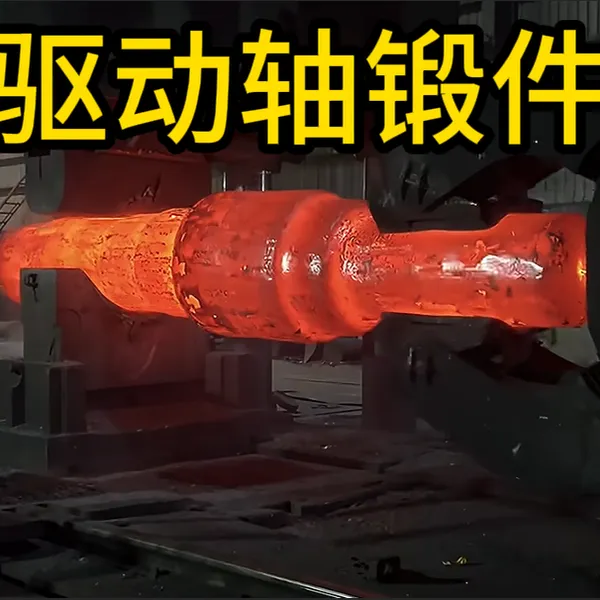
Drive Shaft Forgings | Forged Components | Factory CustomizationNegotiableMOQ: 1 Piece
-
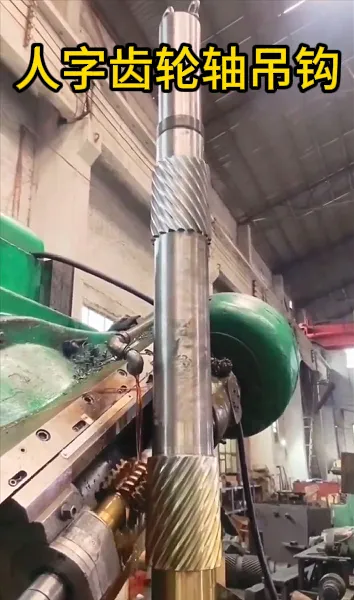
Herringbone Gear Shaft Forgings | Forged Components | Factory CustomizationNegotiableMOQ: 1 Piece
-
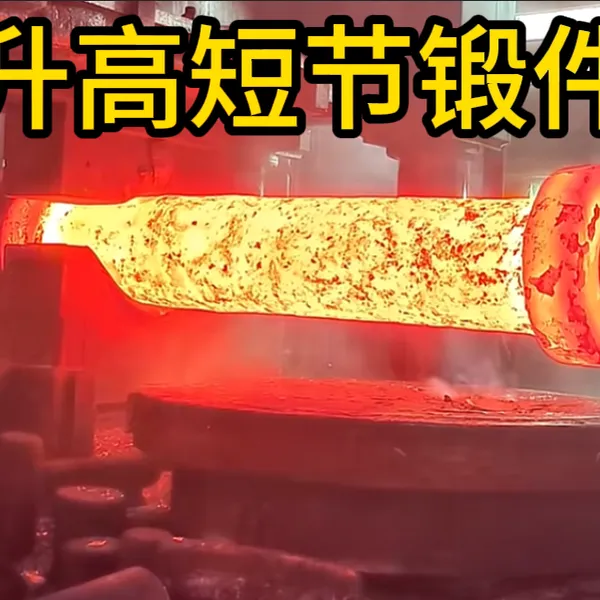
Elevated Short-Stroke Forging Parts | Forged Components | Factory CustomizationNegotiableMOQ: 1 Piece
-
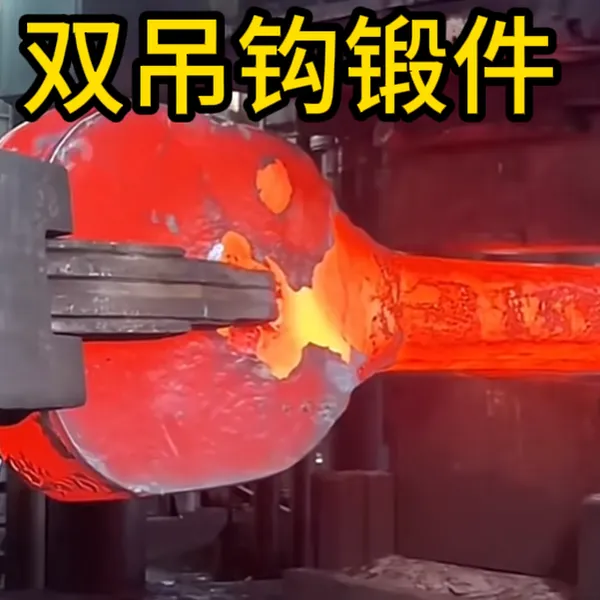
Double Crane Hook Open-Die Forgings | Forged Components | Factory CustomizationNegotiableMOQ: 1 Piece
-
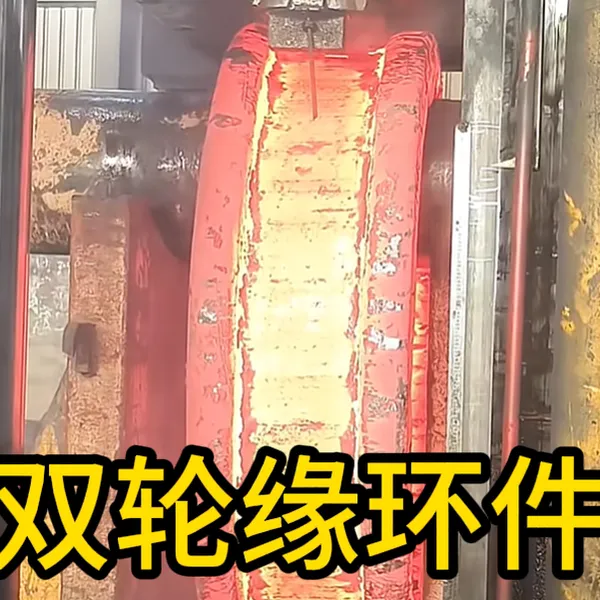
Double-Rim Ring Forgings | Forged Components | Factory CustomizationNegotiableMOQ: 1 Piece
-
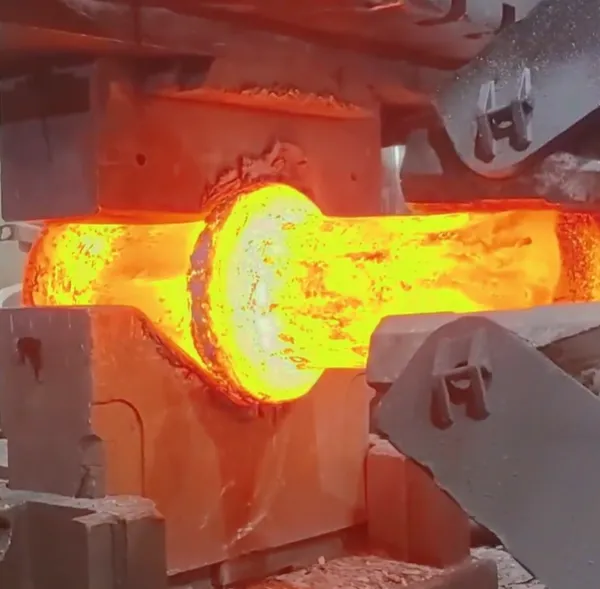
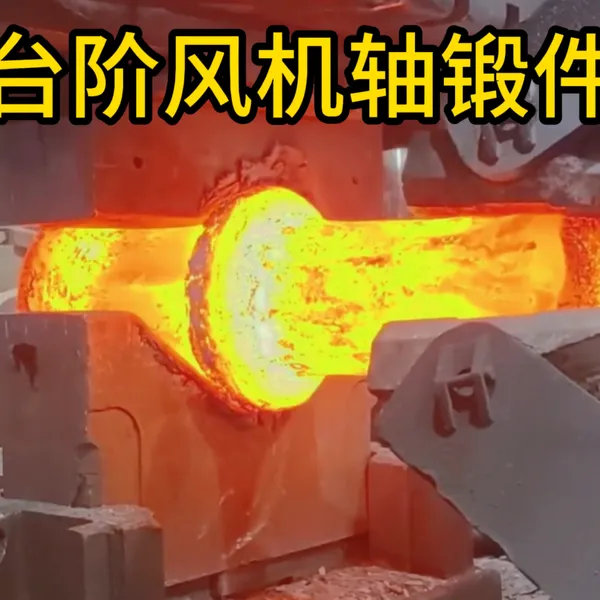
Step-Type Fan Shaft Forgings | Forged Components | Factory CustomizationNegotiableMOQ: 1 Piece
-
Step-Type Fan Shaft Forgings | Forged Components | Factory CustomizationNegotiableMOQ: 1 Piece
-
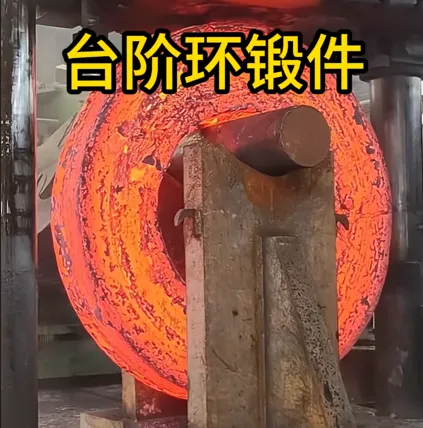
Step Ring Forgings | Forged Step Ring Components | Factory CustomizationNegotiableMOQ: 1 Piece
-
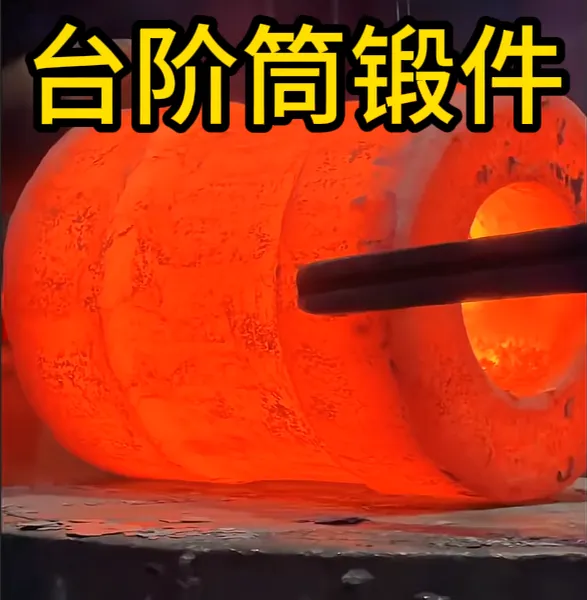
Step Sleeve Forgings | Forged Step Sleeve Components | Factory CustomizationNegotiableMOQ: 1 Piece
-
Idler Shaft Forgings | Forged Idler Shaft Components | Factory CustomizationNegotiableMOQ: 1 Piece
-
Mining Forgings | Forged Mining Components | Factory CustomizationNegotiableMOQ: 1 Piece
-
Automobile Wheel Forgings | Forged Wheel Parts | Factory CustomizationNegotiableMOQ: 1 Piece
-
Hydraulic Cylinder Tube Forgings | Forged Cylinder Components | Factory CustomizationNegotiableMOQ: 1 Piece
-
Custom Shaft Forgings | Forged Shaft Components | Factory CustomizationNegotiableMOQ: 1 Piece