 Business License
Strictly Control the Quality of Die Steel Open-Die Blanking to Consolidate the Metallographic Struct
The quality foundation of hot forging dies is laid from the open-die forging blanking process. The forging penetration degree and internal structure uniformity of die steel directly affect the service life and crack resistance of subsequent dies, and there is no room for the slightest deviation in quality control.
Previously, a batch of H13 die steel suffered from loose forging ratio control. After being made into dies and delivered to customers, die cavity cracking occurred within less than three months of use. Although we remade the products for customers free of charge afterwards, it also affected the brand reputation. Taking this as a lesson, the factory has formulated strict quality control specifications: for all steel blanks for hot forging dies, the forging ratio must be strictly controlled in the open-die forging process, and products with unqualified metallographic testing shall never flow into the next process.
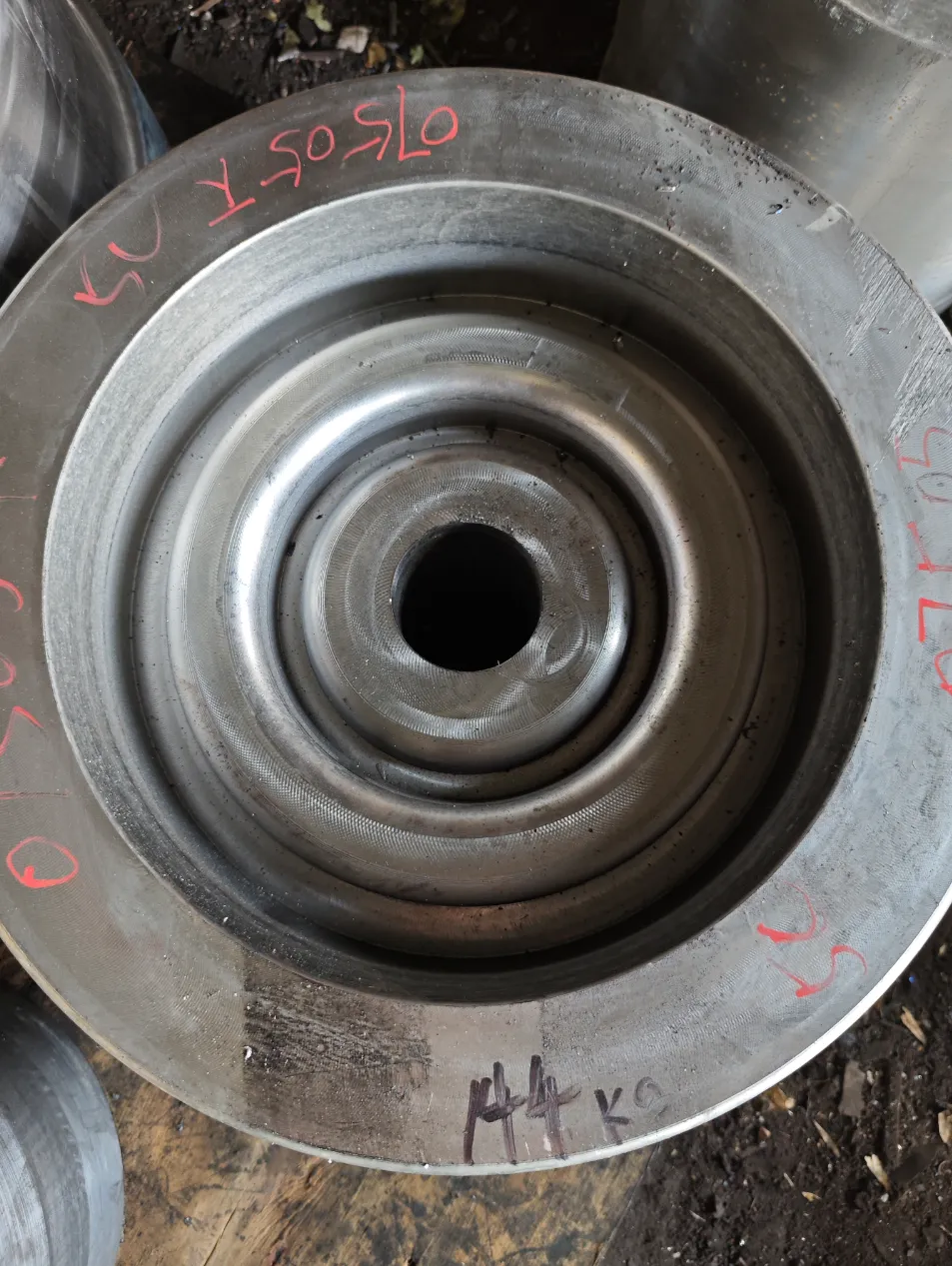
At present, each batch of die steel blanks strictly implements the three-time upsetting and drawing process. Forging workers accurately control the temperature range throughout the process, and never carry out forging before reaching the forging temperature range, so as to avoid coarse grains caused by excessive temperature or insufficient forging penetration caused by low temperature. After forging forming, each furnace of products shall be sampled for metallographic testing. Indicators such as grain size, porosity degree and carbide distribution shall be checked item by item against standards. As long as any item fails to meet the standard, the whole furnace of products shall be returned to the furnace for re-forging, and the control standards will never be relaxed.
At the initial stage of control, some views held that adding testing links would prolong the production cycle. However, the effect of quality improvement has gradually emerged after long-term operation. The currently delivered die steel blanks have dense and uniform internal structure. For the hot forging dies made by subsequent processing, customers feedback that the average service life has been significantly improved compared with before, and the problem of early cracking has been greatly reduced.
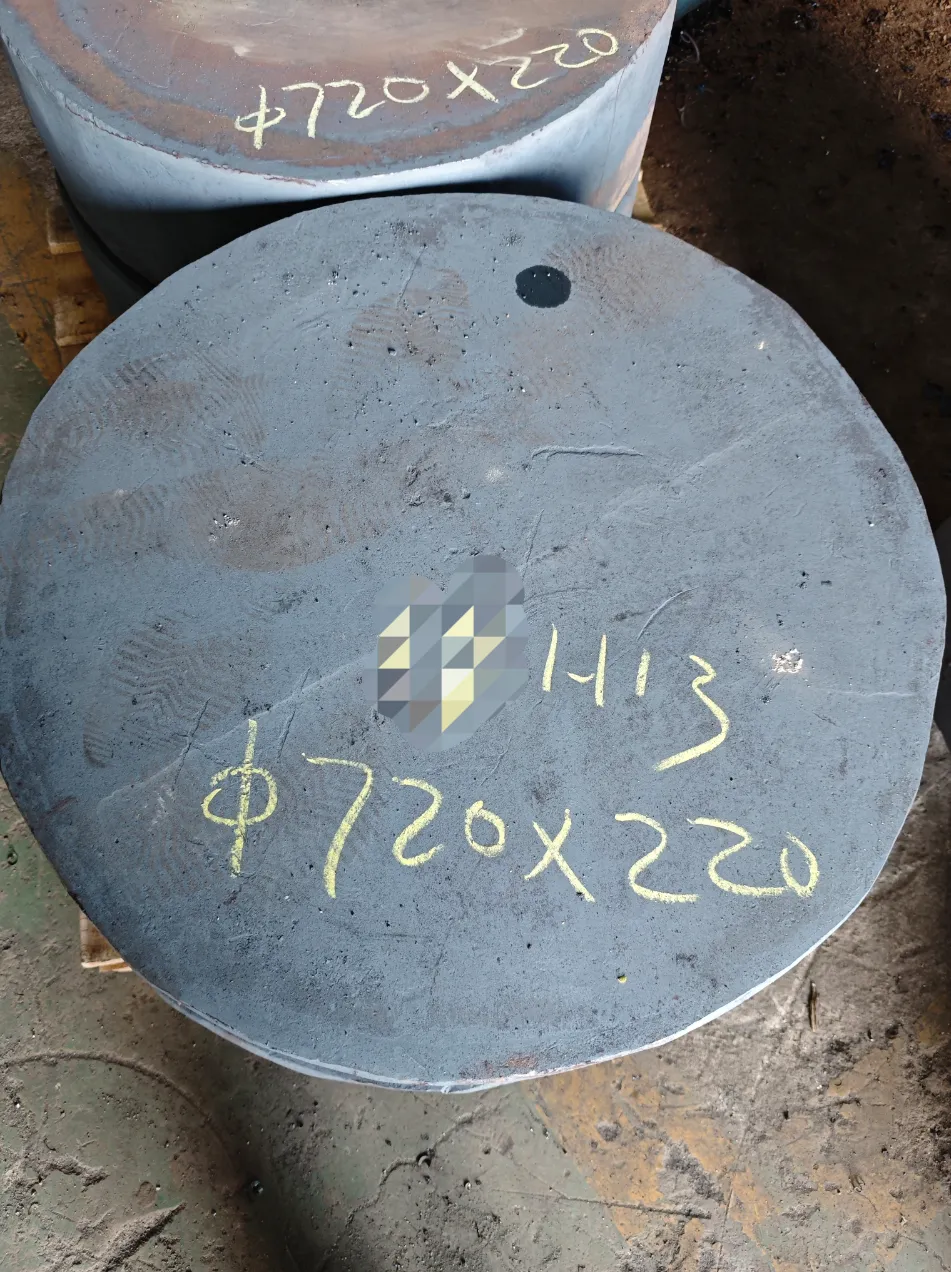
In the final analysis, the reputation of hot forging dies is built on solid quality control. Starting from the first blow of open-die forging, every process is strictly implemented, so that customers can use them more confidently and the brand reputation can be more stable.
Recently Posted
-
Qingliang Mould Upgrades Forging Lines for Steady Product Quality Improvement
July 6, 2026Shandong Qingliang Mould has completed process optimization for its forging production lines. Centered on two core targets — servi Read More
 -
Heat Treatment Process Upgraded for Hot Forging Dies to Effectively Improve Service Life
July 4, 2026In the manufacturing system of hot forging dies, heat treatment is the core process that determines die performance and service li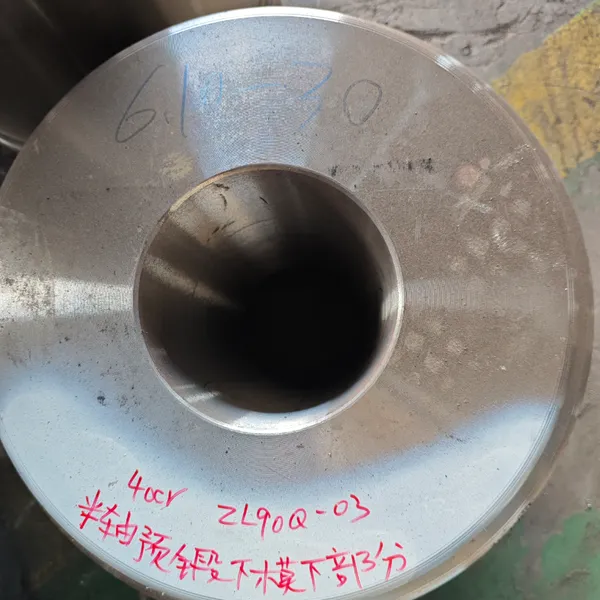 Read More
 -
Open-Die Forging Team Skill Competition Held to Temper Solid Forging Practical Ability
July 3, 2026The open-die forging process is highly dependent on the practical skills of operators. With the same raw materials, heating equipm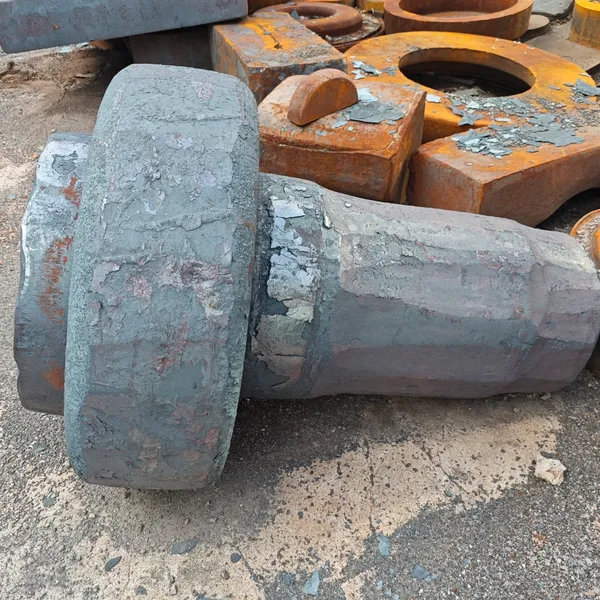 Read More
 -
Hot Forging Die Repair Service Officially Launched to Help Customers Reduce Costs and Increase Effic
July 2, 2026In our cooperation with many die forging factories, we have found that there is a common pain point in the industry: after long-term use, hot forging dies are prone to problems such as die cavity wear and corner chipping, but the main structure of the die remains intact. Direct scrapping causes avoidable waste, and the procurement cost of large hot forging dies is relatively high, so overall replacement will significantly incRead More

Contact Us
Recommended Products
-
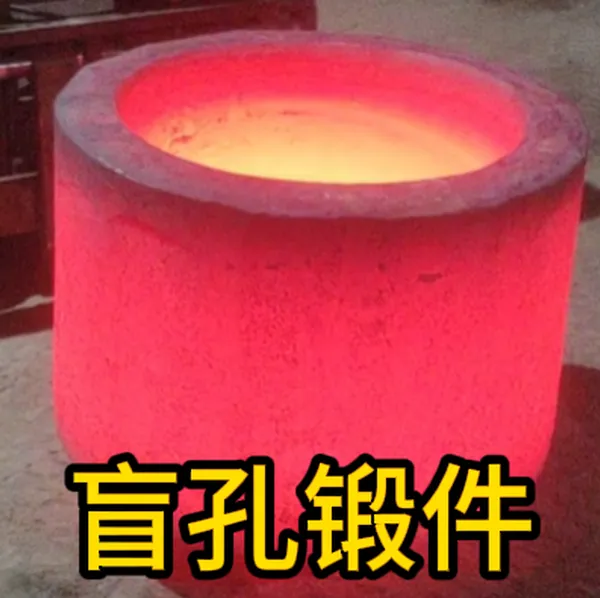
 Blind Hole Forgings | Forged Components | Factory CustomizationNegotiableMOQ: 1 Piece
 -
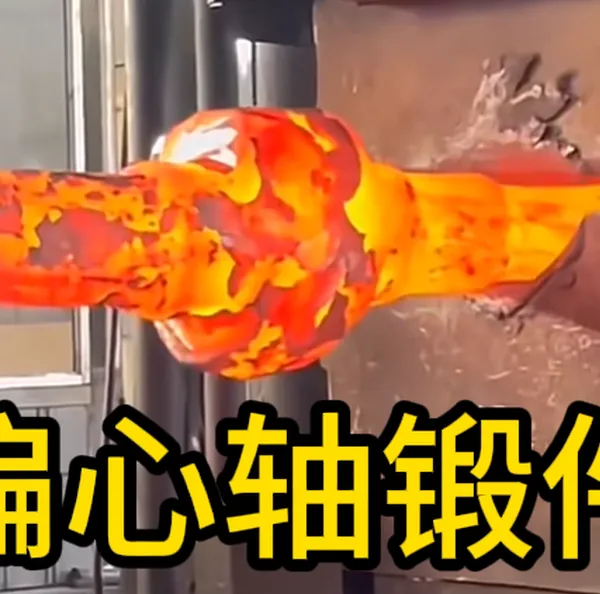
Eccentric Shaft Forgings | Forged Components | Factory CustomizationNegotiableMOQ: 1 Piece
-
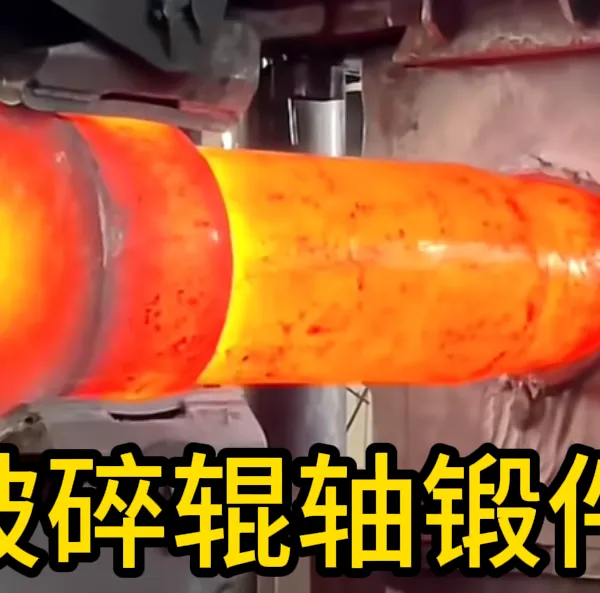
Crusher Roller Shaft Forgings | Forged Components | Factory CustomizationNegotiableMOQ: 1 Piece
-
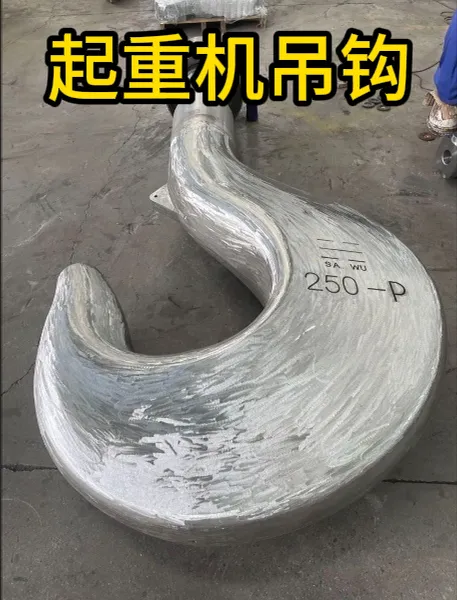
Crane Hook Forgings | Forged Components | Factory CustomizationNegotiableMOQ: 1 Piece
-
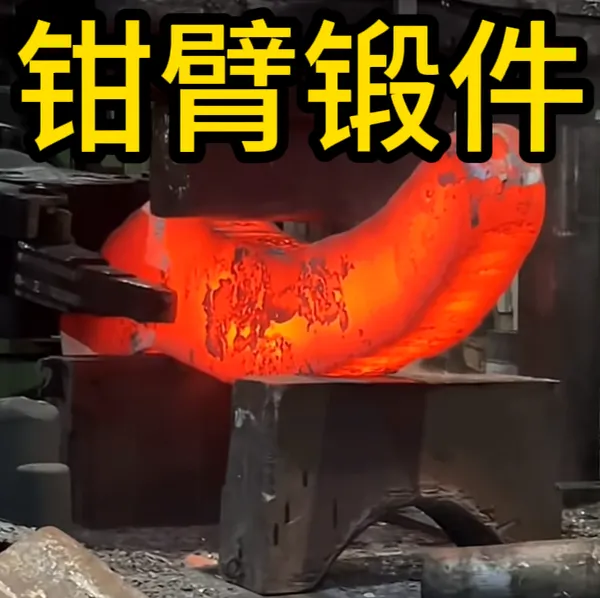
Tong Arm Forgings | Forged Components | Factory CustomizationNegotiableMOQ: 1 Piece
-
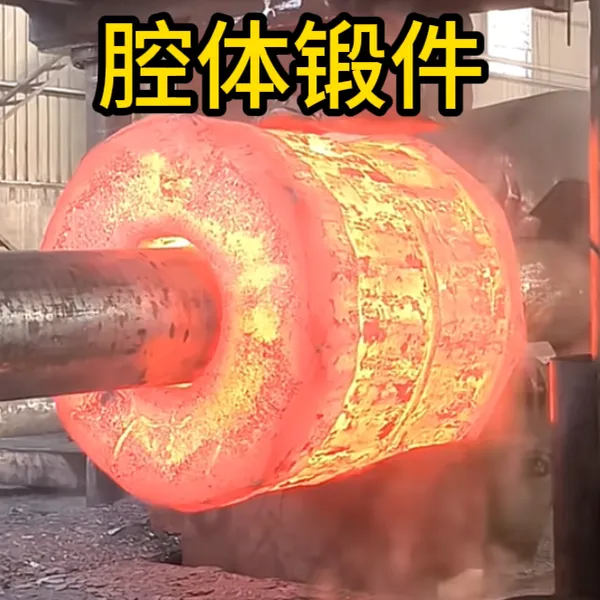
Cavity Open-Die Forgings | Forged Components | Factory CustomizationNegotiableMOQ: 1 Piece
-
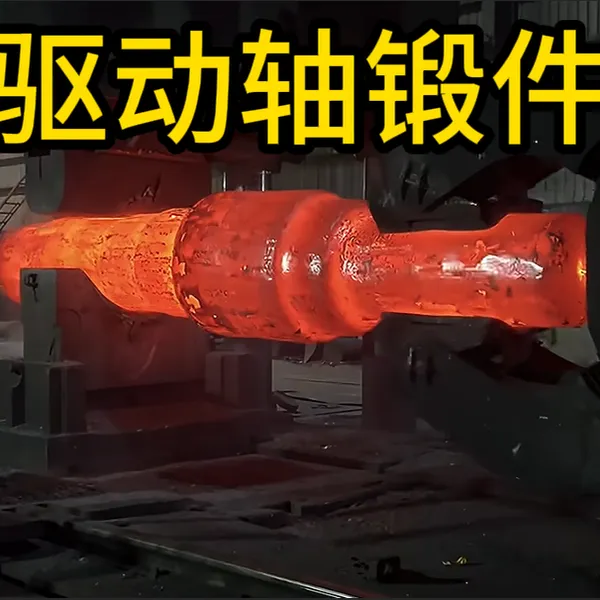
Drive Shaft Forgings | Forged Components | Factory CustomizationNegotiableMOQ: 1 Piece
-
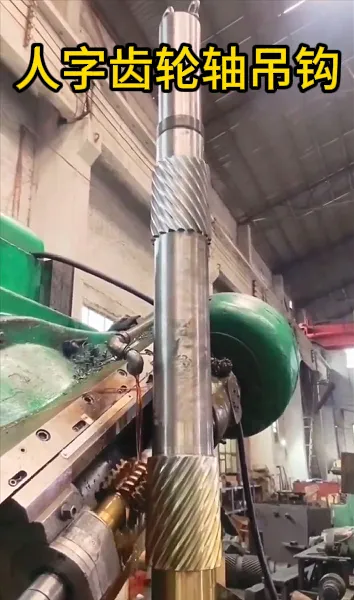
Herringbone Gear Shaft Forgings | Forged Components | Factory CustomizationNegotiableMOQ: 1 Piece
-
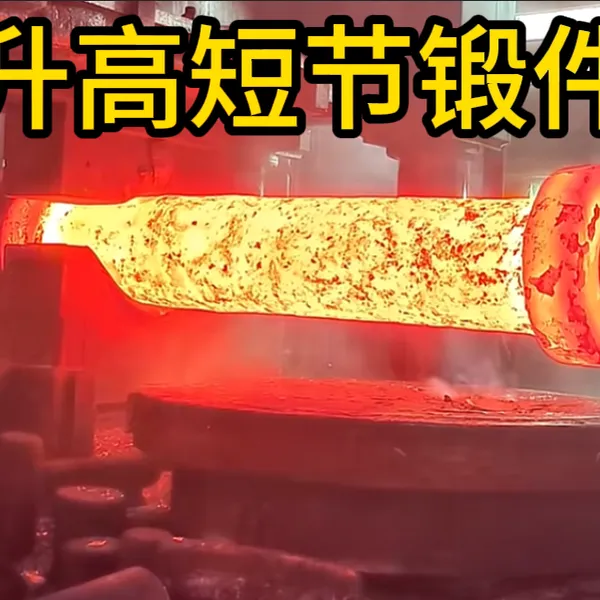
Elevated Short-Stroke Forging Parts | Forged Components | Factory CustomizationNegotiableMOQ: 1 Piece
-
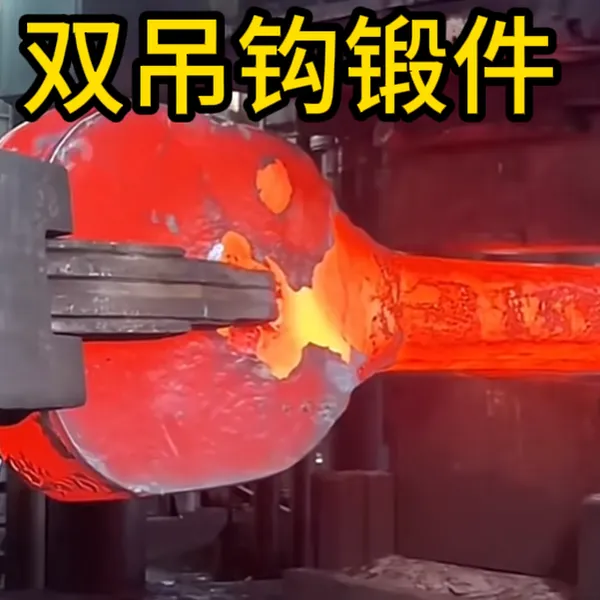
Double Crane Hook Open-Die Forgings | Forged Components | Factory CustomizationNegotiableMOQ: 1 Piece
-
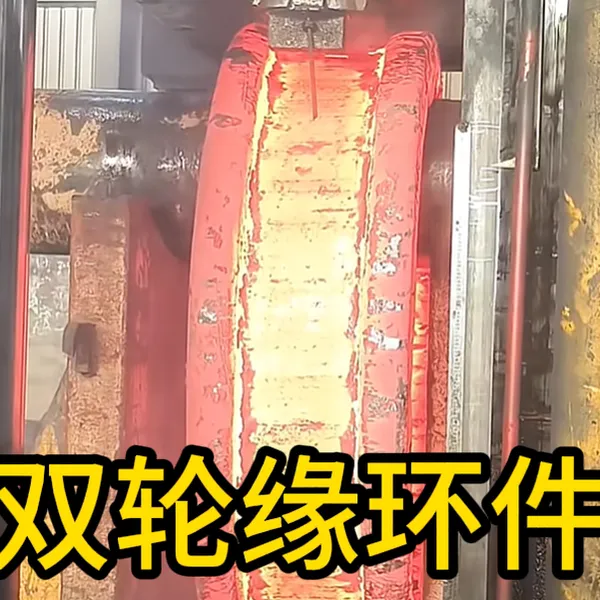
Double-Rim Ring Forgings | Forged Components | Factory CustomizationNegotiableMOQ: 1 Piece
-
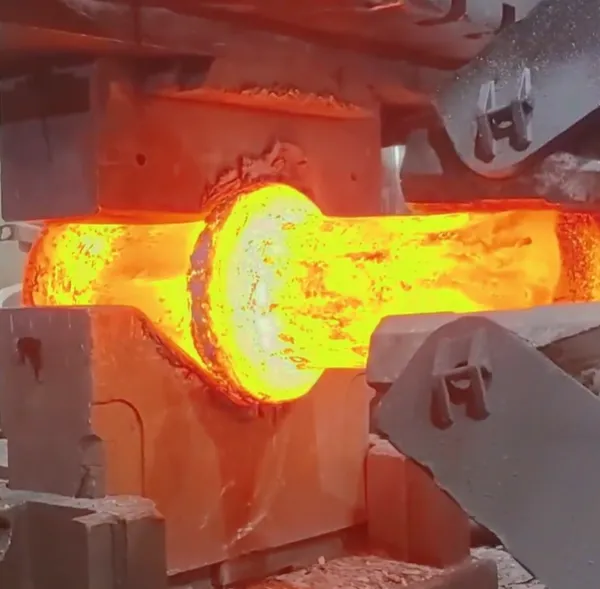
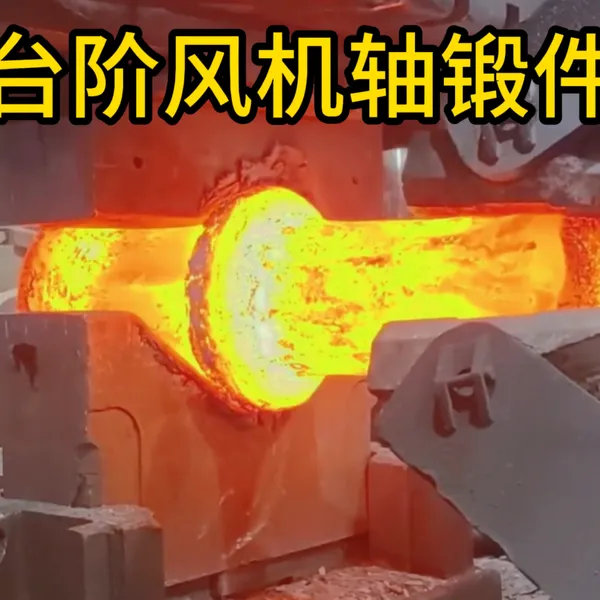
Step-Type Fan Shaft Forgings | Forged Components | Factory CustomizationNegotiableMOQ: 1 Piece
-
Step-Type Fan Shaft Forgings | Forged Components | Factory CustomizationNegotiableMOQ: 1 Piece
-
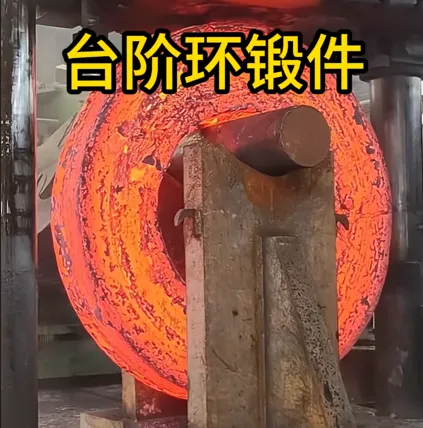
Step Ring Forgings | Forged Step Ring Components | Factory CustomizationNegotiableMOQ: 1 Piece
-
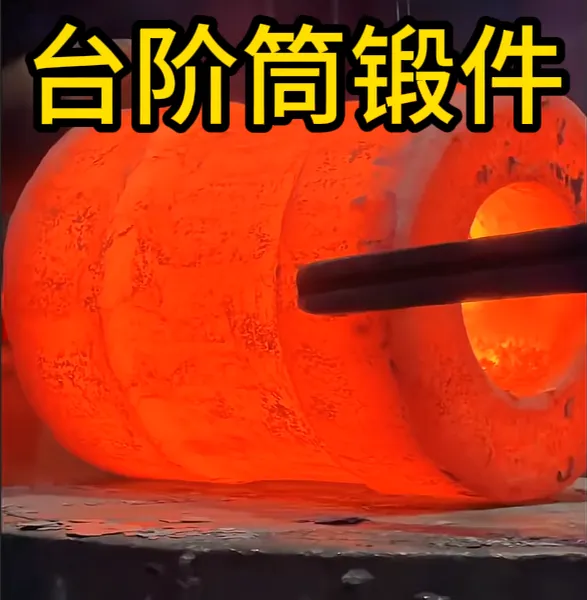
Step Sleeve Forgings | Forged Step Sleeve Components | Factory CustomizationNegotiableMOQ: 1 Piece
-
Idler Shaft Forgings | Forged Idler Shaft Components | Factory CustomizationNegotiableMOQ: 1 Piece
-
Mining Forgings | Forged Mining Components | Factory CustomizationNegotiableMOQ: 1 Piece
-
Automobile Wheel Forgings | Forged Wheel Parts | Factory CustomizationNegotiableMOQ: 1 Piece
-
Hydraulic Cylinder Tube Forgings | Forged Cylinder Components | Factory CustomizationNegotiableMOQ: 1 Piece
-
Custom Shaft Forgings | Forged Shaft Components | Factory CustomizationNegotiableMOQ: 1 Piece