 Business License
Cross-Process Communication Meeting to Remove Production Bottlenecks and Improve Forging Quality Con
Forging production consists of a series of processes including blanking, forging, heat treatment and machining. All links are closely connected, with the shared goal of ensuring qualified forging quality. Previously, there were occasional poor connections between processes, such as dimensional deviation of billets and delayed workpiece transfer. Due to insufficient information synchronization, problems were difficult to solve in a timely and coordinated manner, which affected the overall quality of forgings to a certain extent.
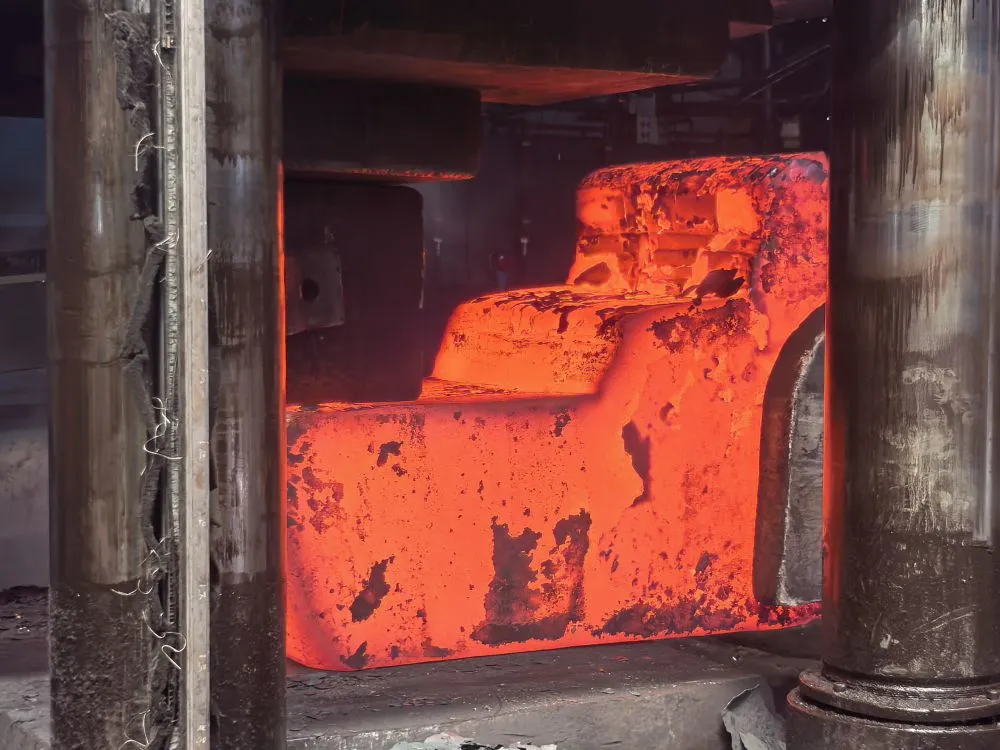
To remove production connection bottlenecks, the company organized a cross-process communication meeting. Backbone staff from each team attended the meeting and carried out practical discussions on actual problems in process docking. The forging team pointed out that the reserved size of some billets was unreasonable, which increased the difficulty of forging operation and easily caused forming deviation of forgings. The machining team reported that the corner treatment of some forgings was inadequate, which increased subsequent machining time and might affect the finished accuracy of forgings.
Participants sorted out the connection pain points in daily production one by one and jointly discussed optimization solutions. For the dimensional connection problem, the blanking team fine-tuned the cutting standard based on the requirements of subsequent processes, ensuring more reasonable machining allowance of forgings after forging. For the workpiece transfer problem, all parties agreed on fixed transfer time and stacking areas to reduce the risk of bumping and rusting caused by long-term stacking of forgings.
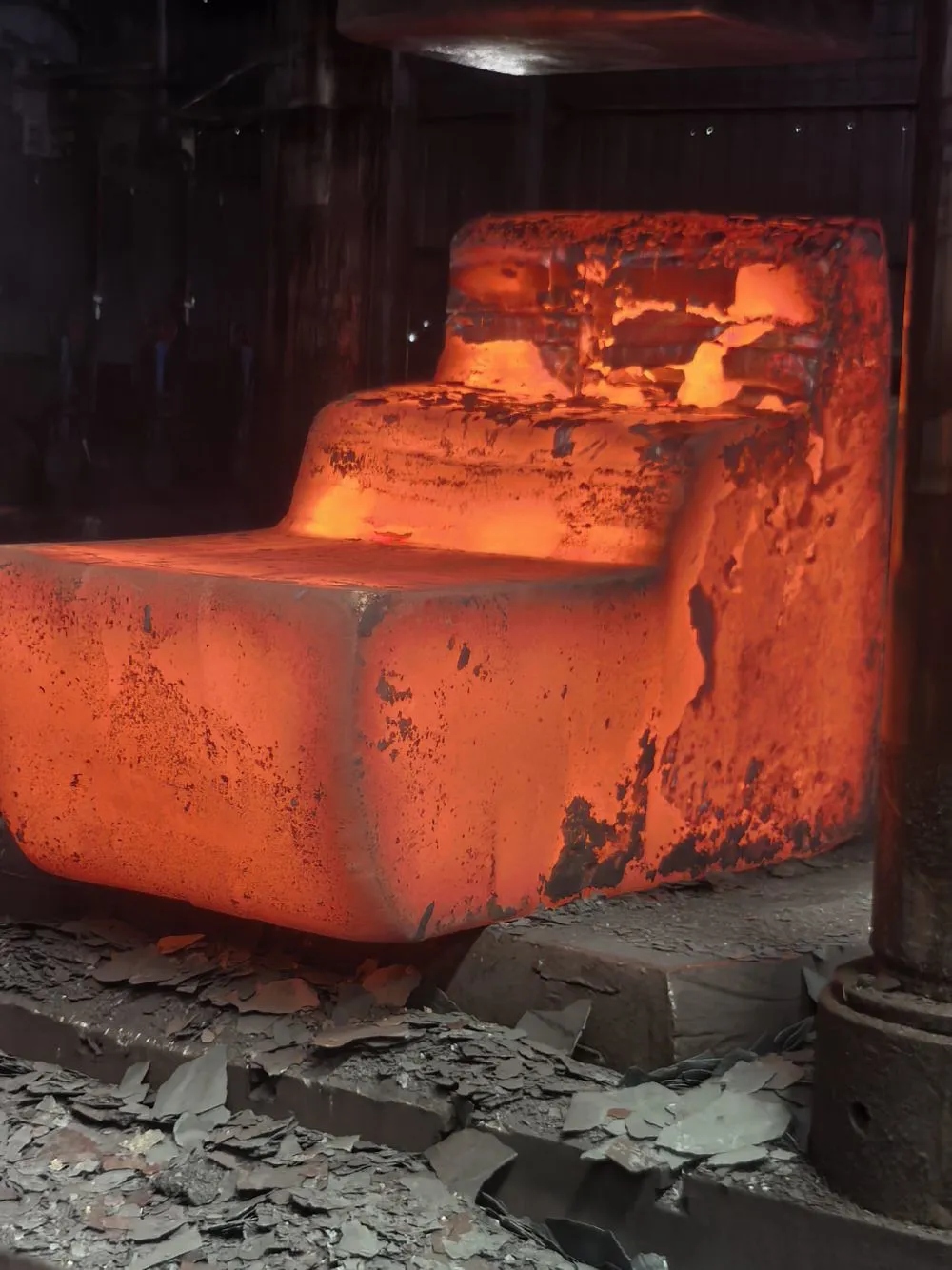
This meeting was guided by practical problems on the front line and focused on the real demands of the production site. Through full communication, each team has deepened its understanding of the demands of upstream and downstream processes. The coordination smoothness between processes has been improved, connection contradictions have been gradually reduced, and the overall operation efficiency of the production line has been steadily improved. The intuitive effect is reflected in the improved quality consistency of the same batch of forgings and the decreased rework rate.
Recently Posted
-
Qingliang Mould Upgrades Forging Lines for Steady Product Quality Improvement
July 6, 2026Shandong Qingliang Mould has completed process optimization for its forging production lines. Centered on two core targets — servi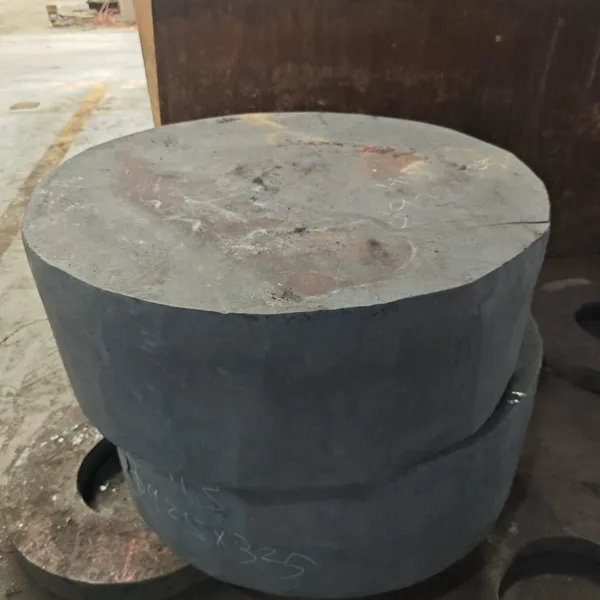 Read More
 -
Heat Treatment Process Upgraded for Hot Forging Dies to Effectively Improve Service Life
July 4, 2026In the manufacturing system of hot forging dies, heat treatment is the core process that determines die performance and service li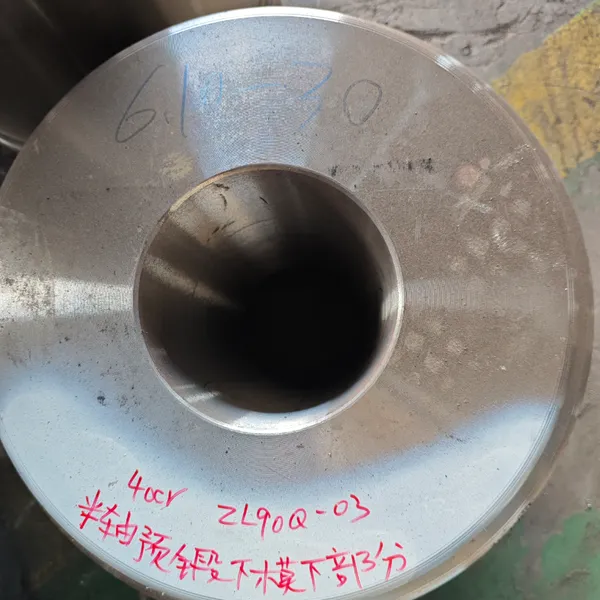 Read More
 -
Open-Die Forging Team Skill Competition Held to Temper Solid Forging Practical Ability
July 3, 2026The open-die forging process is highly dependent on the practical skills of operators. With the same raw materials, heating equipm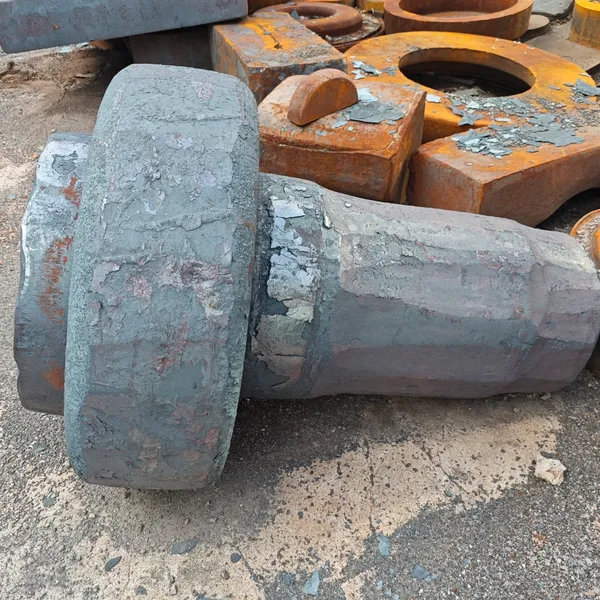 Read More
 -
Hot Forging Die Repair Service Officially Launched to Help Customers Reduce Costs and Increase Effic
July 2, 2026In our cooperation with many die forging factories, we have found that there is a common pain point in the industry: after long-term use, hot forging dies are prone to problems such as die cavity wear and corner chipping, but the main structure of the die remains intact. Direct scrapping causes avoidable waste, and the procurement cost of large hot forging dies is relatively high, so overall replacement will significantly incRead More

Contact Us
Recommended Products
-
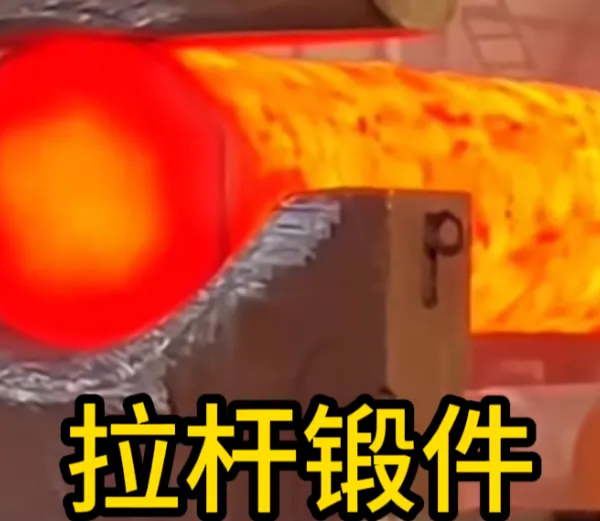
 Tie Rod Forgings | Forged Components | Factory CustomizationNegotiableMOQ: 1 Piece
 -
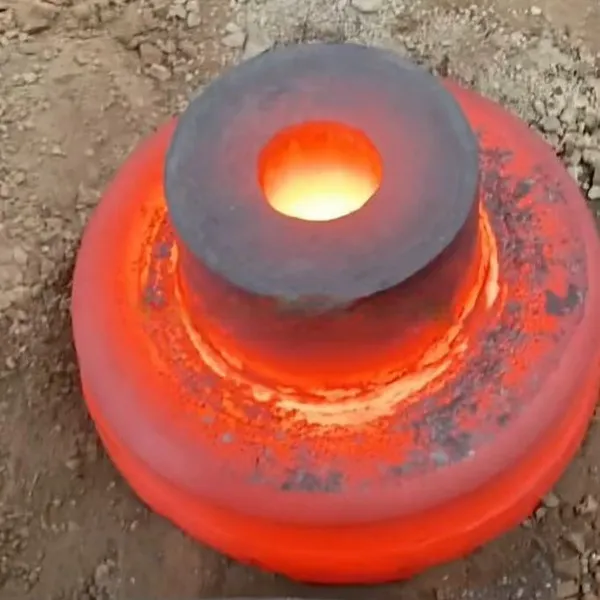
Coupling Forgings | Forged Components | Factory CustomizationNegotiableMOQ: 1 Piece
-
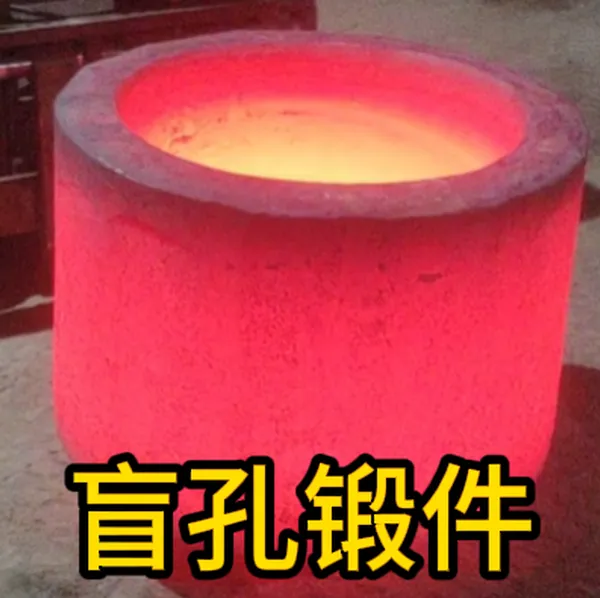
Blind Hole Forgings | Forged Components | Factory CustomizationNegotiableMOQ: 1 Piece
-
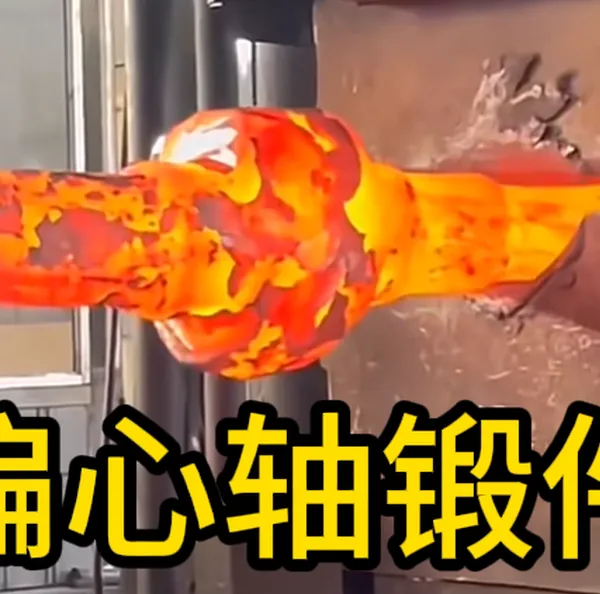
Eccentric Shaft Forgings | Forged Components | Factory CustomizationNegotiableMOQ: 1 Piece
-
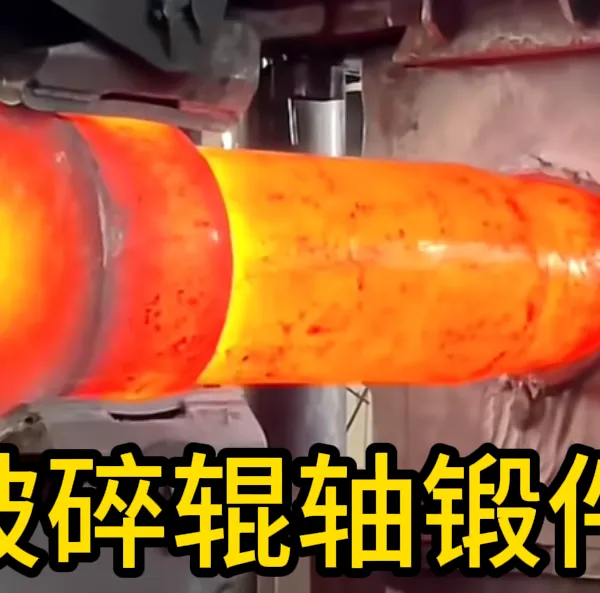
Crusher Roller Shaft Forgings | Forged Components | Factory CustomizationNegotiableMOQ: 1 Piece
-
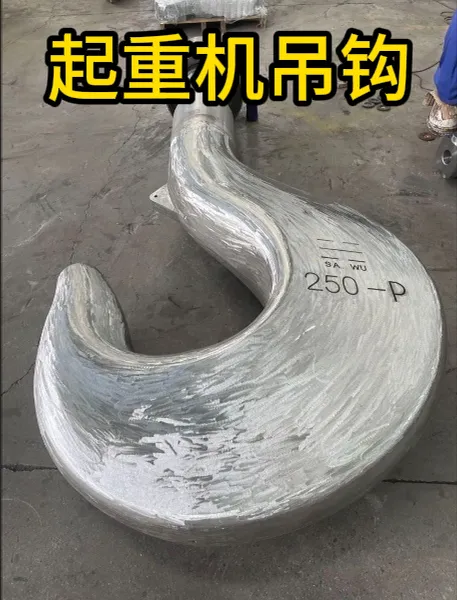
Crane Hook Forgings | Forged Components | Factory CustomizationNegotiableMOQ: 1 Piece
-
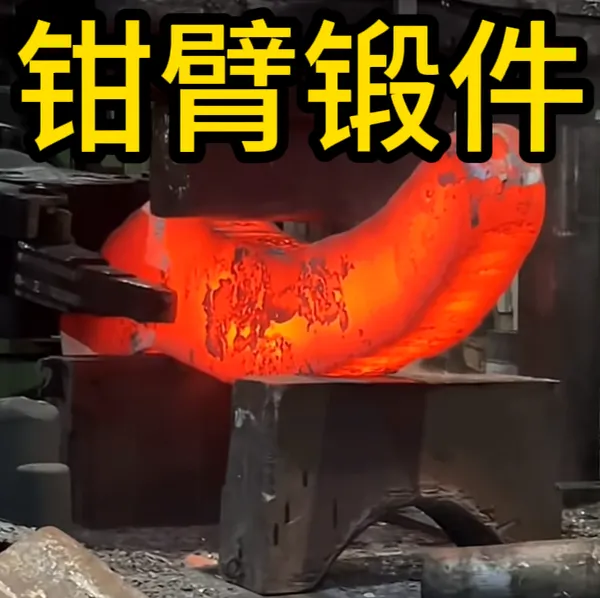
Tong Arm Forgings | Forged Components | Factory CustomizationNegotiableMOQ: 1 Piece
-
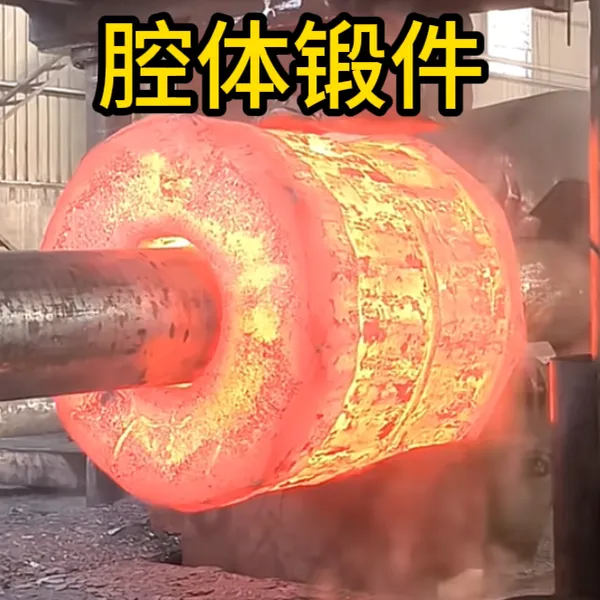
Cavity Open-Die Forgings | Forged Components | Factory CustomizationNegotiableMOQ: 1 Piece
-
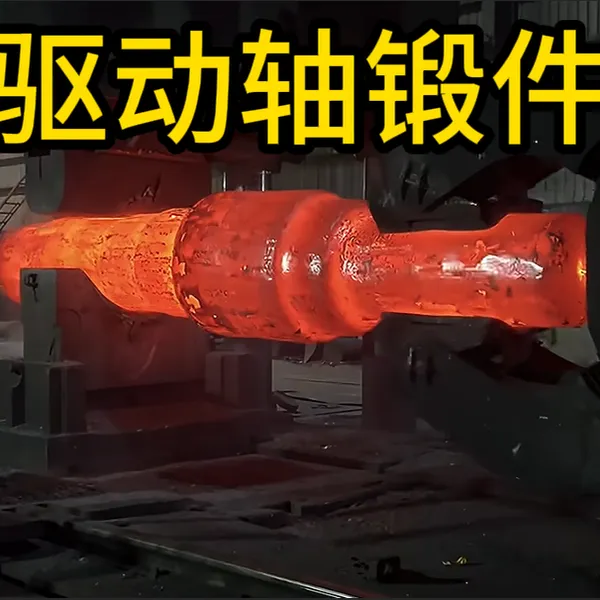
Drive Shaft Forgings | Forged Components | Factory CustomizationNegotiableMOQ: 1 Piece
-
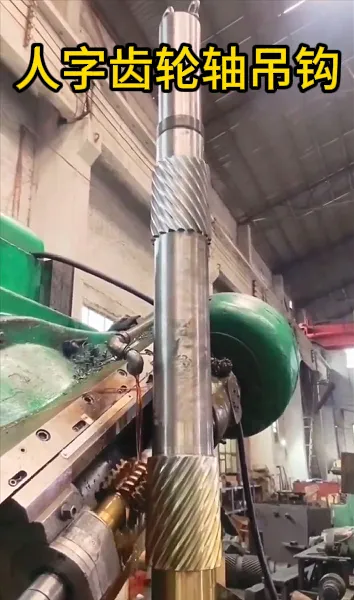
Herringbone Gear Shaft Forgings | Forged Components | Factory CustomizationNegotiableMOQ: 1 Piece
-
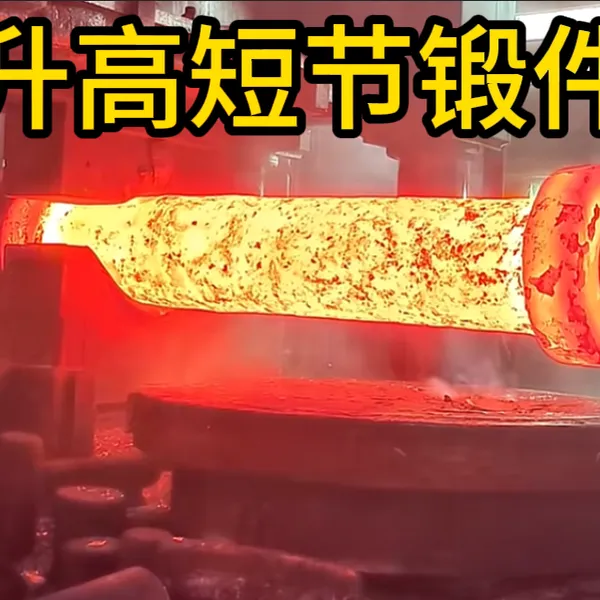
Elevated Short-Stroke Forging Parts | Forged Components | Factory CustomizationNegotiableMOQ: 1 Piece
-
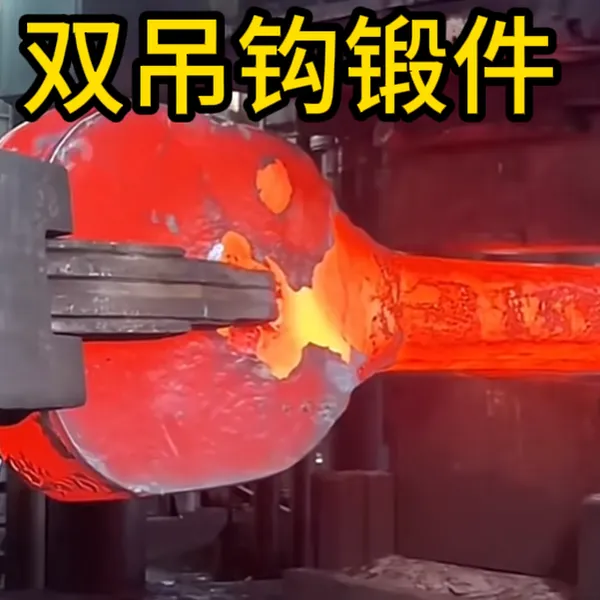
Double Crane Hook Open-Die Forgings | Forged Components | Factory CustomizationNegotiableMOQ: 1 Piece
-
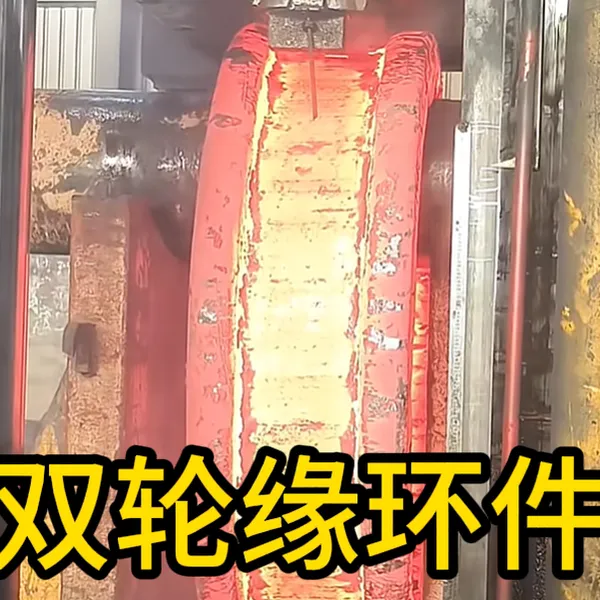
Double-Rim Ring Forgings | Forged Components | Factory CustomizationNegotiableMOQ: 1 Piece
-
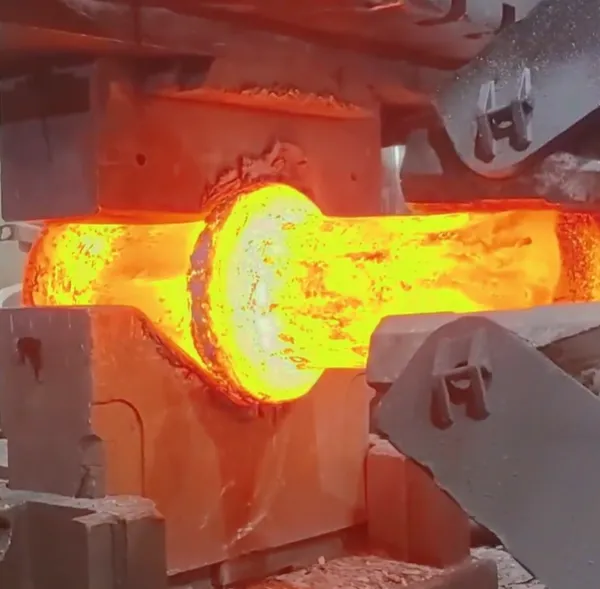
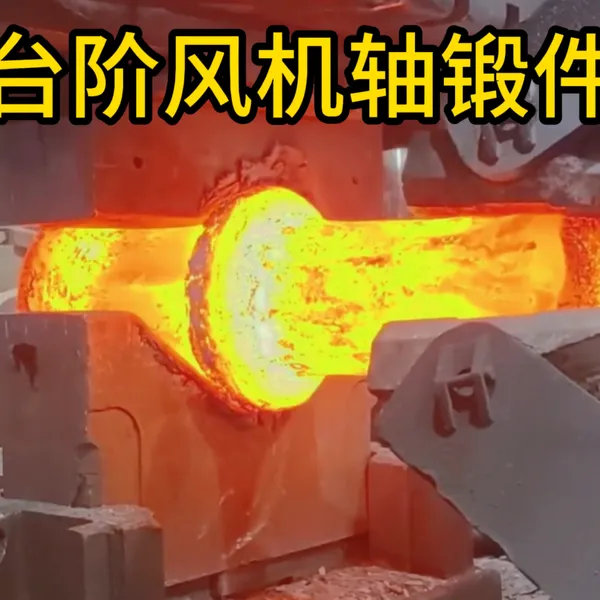
Step-Type Fan Shaft Forgings | Forged Components | Factory CustomizationNegotiableMOQ: 1 Piece
-
Step-Type Fan Shaft Forgings | Forged Components | Factory CustomizationNegotiableMOQ: 1 Piece
-
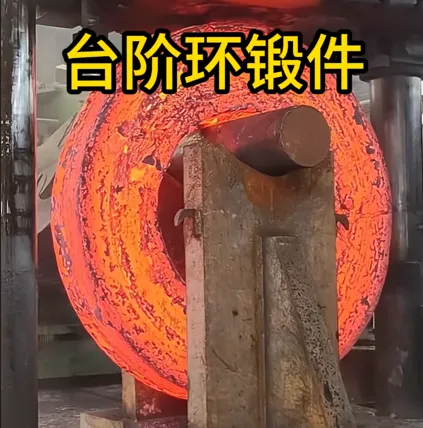
Step Ring Forgings | Forged Step Ring Components | Factory CustomizationNegotiableMOQ: 1 Piece
-
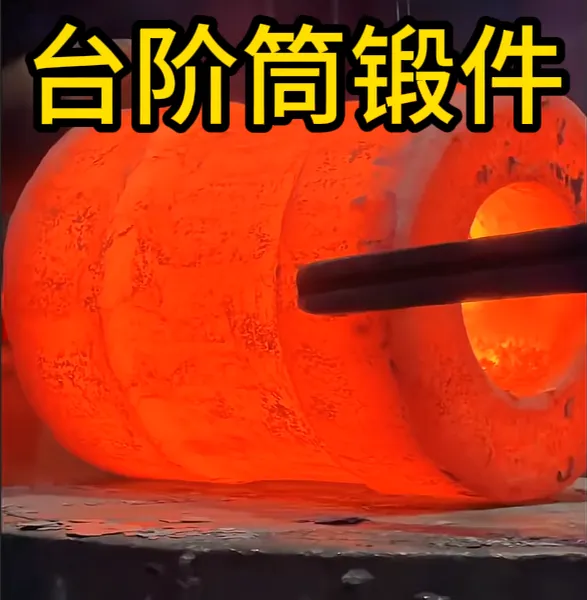
Step Sleeve Forgings | Forged Step Sleeve Components | Factory CustomizationNegotiableMOQ: 1 Piece
-
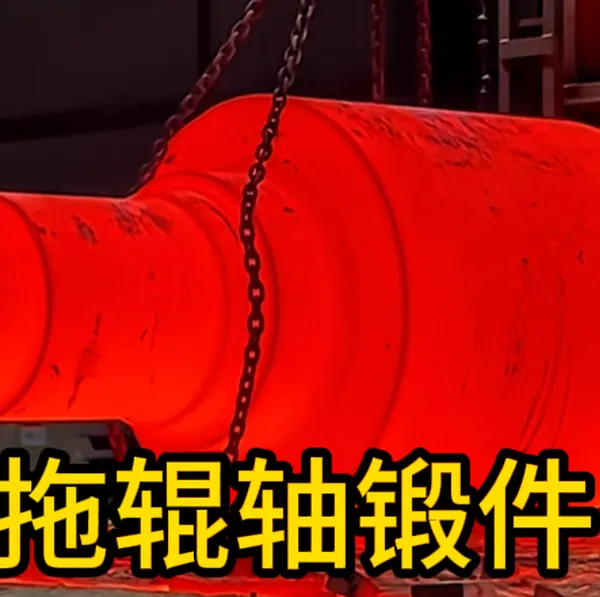
Idler Shaft Forgings | Forged Idler Shaft Components | Factory CustomizationNegotiableMOQ: 1 Piece
-
Mining Forgings | Forged Mining Components | Factory CustomizationNegotiableMOQ: 1 Piece
-
Automobile Wheel Forgings | Forged Wheel Parts | Factory CustomizationNegotiableMOQ: 1 Piece